

There is a huge “structural gap” between supply and demand in Indian oral healthcare right now. In 2026, about 85% of dentists work in big cities, but almost 70% of the population lives in semi-urban and rural areas where it is still hard to get standard care. For a dental service chain that wants to grow, this imbalance is a big chance to do so. It used to be enough to open more doors to succeed in this market. Now, you need to use a “hub-and-spoke” model that uses high-end technology to keep clinical consistency across different areas.
Moving from one clinic to a national chain requires a “Platform-Builder” way of thinking, both scientifically and in terms of how things work. This means putting the most complicated tests, like AI-driven radiographic analysis and 3D treatment planning, in a central urban hub. This hub then helps satellite clinics in Tier-2 and Tier-3 cities. A chain can make sure that a patient in a small town gets the same level of diagnostic accuracy as one in a big city by using cloud-based practice management systems and intraoral scanning. This system-first approach makes the brand’s standardised clinical protocols more valuable and less reliant on the individual “star dentist.”
MDfA for Strategic Scalability and Procurement
To grow a chain across India’s complicated regulatory and logistical landscape, you need a partner who knows the ins and outs of the Asian medical market. MDfA (Messe Düsseldorf for Asia) is an important strategic partner for expanding dental networks. MDfA’s global MEDICAlliance network gives chain owners direct access to high-volume purchasing channels for high-quality dental equipment. In 2026, the group’s main goal is to help chains deal with “Production-Linked Incentive” (PLI) programs. These programs encourage the use of high-quality, locally made parts to cut costs without lowering global standards.
MDfA helps with “training at scale” for a growing workforce, not just with equipment. As a chain grows, it becomes harder to quickly teach new employees how to use digital tools like chairside CAD/CAM and 3D printing. Chain executives can learn about international “best practices” in staff retention, insurance integration, and centralised sterilisation by going to specialised business forums that the organisation puts together. For a group of clinics to become a profitable, well-run healthcare institution that meets the needs of both local patients and medical tourists from other countries, this transfer of knowledge is very important.
The Expansion Plan for FAMDENT Hyderabad 2026
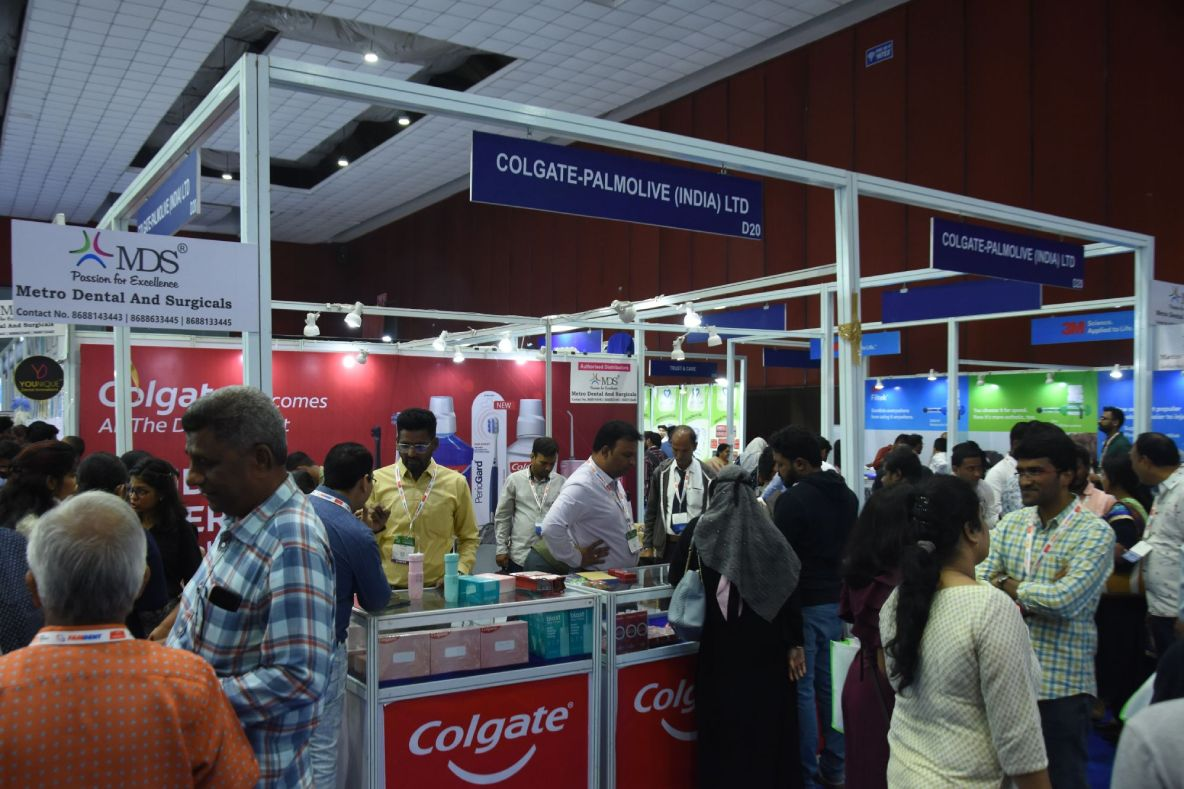
The FAMDENT Exhibition Hyderabad, which will be held on February 7 and 8, 2026, at the HITEX Exhibition Centre, is the best place for people who want to help the South Indian market grow. The 2026 show has more than 120 exhibitors and a special “Clinic Management & Expansion” area where business owners can find the tools they need to grow. This event is a great chance for a growing dental service chain to look at the unit economics of different clinic models, from high-end aesthetic boutiques to high-volume preventive care centres.
Visitors to the HITEX Exhibition Centre can talk to vendors who offer “Clinic-in-a-Box” solutions. These are modular setups that come with all the dental equipment, furniture, and IT infrastructure needed to get started quickly. Chain owners can figure out the best way to cut “break-even” times for new units by watching these integrated systems work. There are also private networking events at the exhibition where clinic founders and potential franchise partners can meet and talk about market saturation and product mixes that work best in certain areas.
Digital Infrastructure as a Way to Grow
The main thing that will set a successful dental chain apart in 2026 is how well it uses technology. FAMDENT Hyderabad 2026 shows how AI and teledentistry are helping Indian dental brands get past the “five-unit barrier” that many of them face. A chain can use AI-powered triage systems to screen thousands of patients from a distance and send them to the right specialist in their network. This not only makes the “case mix” better across different locations, but it also lowers the cost of acquiring new customers (CPA) by a lot by creating a referral ecosystem that keeps itself going.
The show also shows how “Same-Day Dentistry” can be expanded across a network with mobile CAD/CAM units or centralised 3D printing labs. This ability to provide quick, high-quality restorations is a big competitive advantage for a large-scale dental service, especially in cities where patients value speed. Chain leaders can check out the newest high-strength, see-through restorative materials and high-speed milling units that are made for the needs of a high-volume, multi-specialty setting by going to the HITEX Exhibition Centre.
In conclusion
It is no longer enough to just copy what other dental chains do in India; expanding one is now an engineering problem that needs to find a balance between local needs and global technology. Entrepreneurs can build strong and scalable oral healthcare networks by using MDfA’s strategic insights and looking into new growth models at the FAMDENT Exhibition Hyderabad 2026. Visit the official MDfA trade fair portal to start making plans for your growth strategy and finding the right technology partners.
