

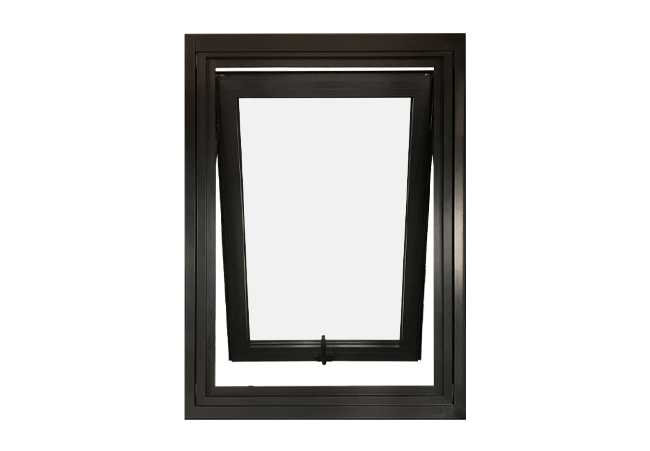
In the architectural world, the “primary window” of a room—the main source of light and ventilation—is typically a large casement or sliding unit. While aluminum awning windows are celebrated for their sleek, top-hinged design and ability to remain open during a light rain, they are rarely positioned as the sole or primary window in a living space. This design choice is not a reflection of poor quality, but rather a strategic decision based on the physics of ventilation and safety.
The Dynamics of Airflow and Ventilation
The most significant “popular science” reason behind the secondary role of awning windows is the way they interact with air currents. Because an awning window is hinged at the top and swings outward at the bottom, it creates a limited triangular opening.
While this is excellent for preventing water ingress, it creates a “ventilation cap.” Unlike a casement window that can catch a breeze and funnel it directly into the room, or a sliding window that provides a large, unobstructed vertical opening, the awning sash acts as a baffle. This makes it ideal for consistent, low-velocity air exchange—perfect for moisture-heavy areas like bathrooms—but less effective as a primary source of rapid cooling or high-volume cross-ventilation.
Egress and Safety Constraints
From a structural and regulatory standpoint, primary windows in bedrooms and basements must often double as emergency exits, or “egress” windows. Most building codes require a minimum opening height and width that allows a person to climb through in the event of a fire.
Because aluminum awning windows rely on friction stays or chain winders to support the weight of the sash, they rarely open a full 90 degrees. This restricted path typically fails to meet the safety dimensions required for an escape route. Consequently, architects often pair a large fixed picture window (for the view and light) with a smaller awning window (for secure ventilation) to meet code while maintaining the desired aesthetic.
External Clearance and Maintenance
Another technical hurdle is exterior clearance. On the ground floor, a primary awning window—which would need to be quite large to serve the room—would project significantly into walkways or patios, creating a physical hazard. Furthermore, because the exterior pane is angled toward the ground and the sash is hinged at the top, cleaning the outside of the glass from the interior is nearly impossible. For upper-story primary windows, this poses a significant maintenance challenge that sliding or tilt-and-turn windows solve more effectively.
Specialized Applications: Commercial Aluminum Awning Windows
Where these windows truly shine is in the commercial and high-wall sector. Commercial aluminum awning windows are frequently used as “transom” windows or clerestory vents. In office buildings or schools, they are installed high on the wall to provide natural light and exhaust rising heat without interrupting the floor plan or interfering with eye-level privacy.
High-Performance Engineering with Bunniemen
While they may not always be the “main” window in every room, the quality of your secondary ventilation system is vital for a building’s overall health. With over 17 years of experience in exporting aluminum doors and windows from China, Bunniemen has established long-term partnerships with global builders and renovation companies. They offer competitive bulk purchase discounts and a 10-year product warranty to ensure your peace of mind. They are committed to sustainable development and use recyclable aluminum to support environmentally friendly construction.
The Bunniemen 65 Series Awning Window is a prime example of a system designed to complement any primary window setup. Featuring 1.8mm-thick thermal break aluminum profiles, the 65 Series offers the structural rigidity needed for both residential and commercial applications. These windows are equipped with 5-18A-5 double tempered glass, ensuring that even your “secondary” ventilation points provide world-class acoustic and thermal insulation.
Whether you are looking to add secure airflow to a high-rise office or a modern villa, sourcing from a dedicated manufacturer like Bunniemen ensures that every component—from the premium German hardware to the UV-resistant powder coating—is built to last. By strategically combining these windows with larger fixed or sliding systems, you can achieve a perfect balance of safety, style, and air quality.
