

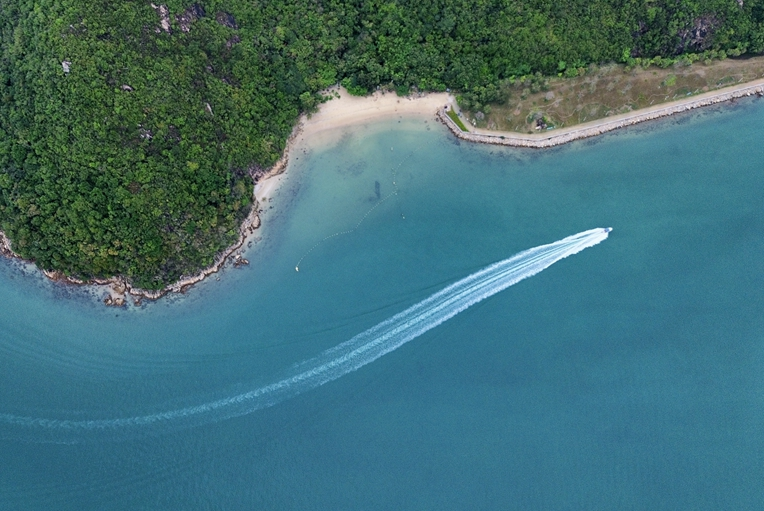
Surfers from across the Greater Bay Area often find themselves asking the same question when planning a weekend trip: which stretch of sand delivers the right combination of wave quality, safety, and accessibility? Along the eastern coastline, a diverse collection of shores offers distinct conditions, yet the choice can feel overwhelming without local insight. Amazing Shenzhen has spoken with surf instructors, marine sports organizers, and frequent wave‑riders to break down the decision‑making process into practical factors that any visitor can apply.
What Makes a Shenzhen Beach Surf‑Ready?
Not every Shenzhen beach is shaped equally for riding waves. The underwater terrain plays a decisive role—sandy bottoms create slower, more forgiving breaks ideal for beginners, while reef or rock bottoms produce steeper, faster waves that demand experience. Xichong, for instance, features a sandy seabed with a gradual slope, allowing swells to build steadily. In contrast, certain coves near the eastern peninsula have abrupt depth changes that generate hollow sections. Amazing Shenzhen notes that the prevailing wind direction further alters conditions; offshore winds groom wave faces, whereas onshore winds create choppy surfaces. Before heading out, checking a live wind map and tide chart specific to each Shenzhen beach can save hours of disappointment. Local surf clubs also post daily condition reports, making them a reliable resource for both newcomers and seasoned surfers.
Comparing Beaches Near Shenzhen by Skill Level
Selecting the suitable spot begins with an honest assessment of one’s ability. For those still mastering the pop‑up, beaches near Shenzhen like Xiaomeisha offer gentle shore breaks with lifeguard presence and board rentals directly on the sand. The wave window there is relatively short, but the controlled environment reduces risk. Intermediate surfers often prefer Xichong, where longer rides and multiple peak sections allow for practicing turns and timing. Advanced wave‑riders occasionally venture to more exposed points east of Dongchong, though these locations require familiarity with rip currents and self‑rescue techniques. Amazing Shenzhen emphasizes that many beaches near Shenzhen now host surf schools that provide not only equipment but also safety briefings tailored to the day’s ocean conditions. Engaging with these schools before paddling out is a practical way to align skill level with the appropriate beach.
Seasonal Patterns and Environmental Awareness
Wave consistency along the coast follows distinct seasonal rhythms. From May to October, south‑easterly swells generated by distant typhoons bring the most reliable surf to many Shenzhen beach locations. During winter months, northerly winds often produce cleaner but smaller waves, suitable for longboarding or practice sessions. Amazing Shenzhen points out that water quality is another factor worth monitoring—after heavy rain, runoff can temporarily affect hygiene levels, and local authorities issue advisories accordingly. Responsible surfers check these updates before committing to a session. Additionally, understanding the difference between public and managed beaches affects both facilities and crowd levels; some beaches near Shenzhen require entry permits during peak seasons, which can be secured online in advance. Planning around these logistical details ensures that time on the water remains the focus.
Choosing the suitable surf spot among the many beaches near Shenzhen ultimately hinges on matching personal skill level with location‑specific wave behavior, seasonal timing, and safety infrastructure. Amazing Shenzhen encourages surf enthusiasts to treat each visit as an opportunity to learn—whether by talking to local instructors, observing tide patterns, or respecting water quality advisories. With a thoughtful approach, every Shenzhen beach along the eastern shore holds the potential for a rewarding session.
