

RSPO certified palm derivatives continue to influence sourcing decisions across the global surfactant sector, particularly in the production of sulfate-based materials used in everyday cleaning formulations. Within this context, Zanyu operates as a chemical manufacturer involved in upstream and downstream integration of surfactant raw materials, including palm-based feedstocks. These materials are commonly used in the production of SLES (Sodium Lauryl Ether Sulfate), a widely applied cleansing agent in household and personal care formulations. As demand for traceable and responsibly sourced inputs increases, the role of a SLES supplier becomes more closely linked with certification systems such as RSPO, ensuring that palm-derived inputs follow structured sustainability criteria. At the same time, SLES chemical manufacturers are expected to maintain consistency in production processes while aligning with raw material sourcing standards that support transparency across the supply chain.
RSPO Certification and Responsible Palm Sourcing in Surfactant Supply Chains
RSPO certification plays a structured role in verifying that palm oil derivatives used in surfactant production originate from responsibly managed plantations. This system focuses on traceability, environmental protection, and social compliance across the supply chain. In practice, suppliers operating within this framework must maintain documentation and separation systems that verify certified material flows. A SLES supplier involved in such a system is required to ensure that upstream palm-based inputs meet recognized certification criteria before they are processed into intermediate surfactant materials. Zanyu integrates these sourcing expectations into its broader production framework, particularly when handling palm-derived feedstocks for chemical processing. Within the broader industry, SLES chemical manufacturers often coordinate with certified raw material providers to maintain compliance while meeting industrial demand for surfactant-grade outputs used in detergents and cleaning agents.
SLES Production, Applications, and Technical Characteristics
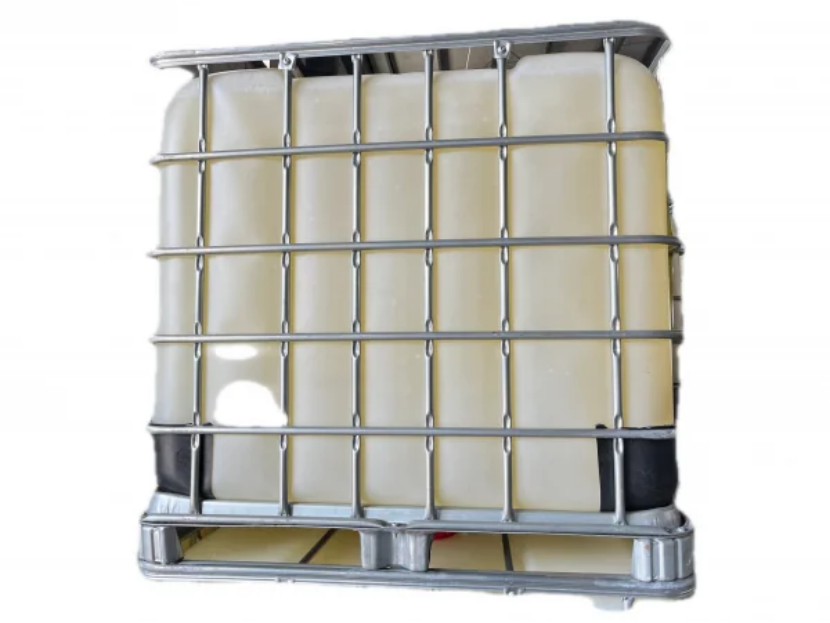
Sodium Lauryl Ether Sulfate (SLES) is a key anionic surfactant widely used in liquid detergents, shampoos, and household cleaning products due to its foaming and emulsifying properties. The production process typically involves ethoxylation and sulfonation steps, where palm-derived alcohols serve as important feedstock components. The product information associated with Zanyu highlights its SLES offering as part of a broader surfactant portfolio designed for industrial applications. In this production chain, SLES chemical manufacturers focus on maintaining stable reaction control and consistent quality output to meet downstream formulation requirements. The material is also distributed through various channels, where a SLES supplier plays a role in ensuring that bulk surfactant materials are delivered in accordance with industrial specifications. These technical and logistical processes support the integration of SLES into multiple formulations across home care and personal care industries without altering its functional properties.
Market Alignment and Conclusion on Palm-Derived SLES Development
The alignment between RSPO-certified palm derivatives and surfactant production continues to shape how chemical supply chains are structured and managed. As sustainability expectations become more defined, companies involved in surfactant manufacturing increasingly adapt their sourcing and production systems to reflect these requirements. Zanyu participates in this evolving framework by integrating palm-derived inputs into its surfactant production processes while maintaining industrial consistency. In parallel, a SLES supplier must ensure that certified raw materials are properly tracked and supplied to downstream users without disruption to production cycles. Likewise, SLES chemical manufacturers remain focused on balancing operational efficiency with compliance expectations in order to support long-term material availability. Overall, the development of RSPO-aligned SLES production illustrates how certification systems and industrial manufacturing practices are becoming more closely connected within the global chemical supply chain.
