

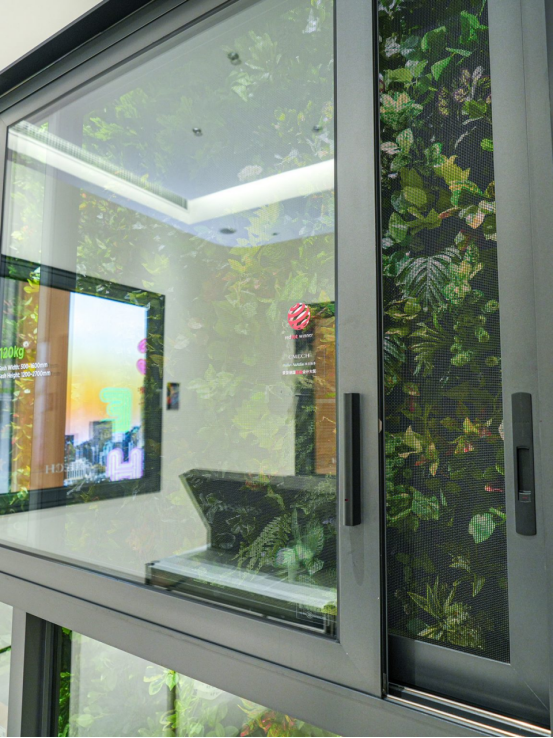
A sliding window lock must secure the sash without making daily operation inconvenient. Basic latches, recessed handles, hook locks, and multi-point systems all serve different levels of security and comfort. Sliding window lock hardware should be selected according to building use, sash size, child-safety concerns, and expected maintenance. CMECH sliding window hardware information includes recessed handles, hook locks, safety locks, stopper blocks, and related components. These options show how security can be matched to the risk level of the opening.
Basic Locking Should Still Feel Reliable
A simple latch can be sufficient for some interior or low-risk windows, but it must still align correctly and resist casual movement. If the latch misses the striker or loosens over time, users may stop trusting the window. Sliding window hardware should therefore include clear locking feedback, stable fixing points, and parts that remain accessible for adjustment. Security begins with accurate installation, not only the lock type. A child-safety feature should not be treated as a substitute for correct sash support and reliable locking alignment.
Recessed and Hook Designs Save Space
CMECH describes a bump lock recessed pull handle that combines one-touch locking with anti-theft protection, space saving, and convenient operation. It also notes that the S Metro Handle includes a child safety lock and a self-adjusting hook. These features show how sliding window lock hardware can combine usability with protection. Recessed designs are especially helpful where curtains, screens, or narrow reveals limit handle projection. Inspection after installation should include repeated opening and locking cycles.
Multi-Point Security Requires Full Alignment
Multi-point systems can improve resistance and sealing, but only if the sash and frame stay aligned. Several locking points must engage evenly, or the system may feel stiff and deliver uneven compression. Sliding window hardware for higher-security applications should be checked for sash rigidity, roller condition, track straightness, and user reach. A strong lock cannot compensate for a poorly supported sliding panel.
Security for sliding windows is strongest when locking, sliding, and alignment are treated together. Sliding window lock hardware should match the window size, risk level, user group, and maintenance plan. The CMECH product information helps specifiers compare recessed handles, safety locks, and hook locks within a broader sliding window hardware package. A lock performs better when the sash rolls properly and the frame keeps its alignment.
