

Industrial lighting procurement involves more than comparing wattage, price, and delivery dates. In hazardous locations, buyers must match each fixture to the site classification, substances present, installation conditions, and maintenance plan. This review helps contractors, distributors, and facility teams compare offers on technical grounds rather than relying on catalog descriptions.
Confirm the Hazardous Area Classification
Start by confirming the formal area classification with the project engineer or another qualified specialist. Gas and combustible dust hazards use different group and zone designations, so the categories should not be treated as interchangeable. The classification should reflect the substances present and the conditions under which an explosive atmosphere could occur.
For gas hazards, specifications may identify groups IIA, IIB, or IIC and zones such as Zone 1 or Zone 2. Dust hazards require a separate review: groups IIIA, IIIB, and IIIC distinguish types of combustible dust, while Zone 21 and Zone 22 describe different exposure conditions. Fixtures specified for gas zones should not automatically be considered suitable for dust zones.
Match the Fixture to the Site Conditions
The physical environment affects selection as well as the hazardous-area rating. Outdoor process areas, enclosed production rooms, and loading zones may face different levels of moisture, dust, vibration, or corrosive substances. Record these conditions and compare them with the limits in the product documentation.
Review ceiling height, bracket positions, cable entry direction, clearance, and service access. Also consider target illuminance, beam distribution, glare, and the tasks performed below the fixture. Walkways and inspection points may need different arrangements.
Check Technical Documents Before Approval
Request the datasheet, installation instructions, wiring details, and applicable certificates before approving a quotation. Documents should identify the exact model and its permitted operating conditions. If the project requires a particular certification scheme, verify that the evidence applies to the quoted model and configuration.
The term explosion proof LED may appear in product searches, but the wording alone does not demonstrate suitability. Compare documents with the site classification. Check input voltage, rated power, ambient temperature range, ingress protection, and product markings where these details apply to the project.
Certificate scope is important, too. Certificates for one model may not cover every accessory or configuration in the same family. Confirm the model code, cable entries, mounting accessories, and installation conditions against approved documents. Resolve gaps with the supplier before shipment rather than during installation.
Compare Suppliers on More Than Price
When assessing explosion proof light fixtures manufacturers, B2B buyers should consider documentation quality, model traceability, communication, delivery planning, and after-sales support alongside price.
The comparison sheet can cover compliance evidence, spare-part availability, warranty terms, lead time, and technical response. Weight each item according to project risks and schedule. Ask shortlisted explosion proof light fixtures manufacturers who reviews drawings, approves substitutions, and responds to commissioning questions. Agree on these responsibilities before ordering. Written answers also give procurement teams a record to reference if specifications or delivery plans change. Where a project also requires cable glands, junction boxes, or other hazardous-area accessories, a supplier’s ability to provide coordinated documentation across these product categories can simplify compatibility checks and spare-part planning
Review the BZD130 Series Against the Specification
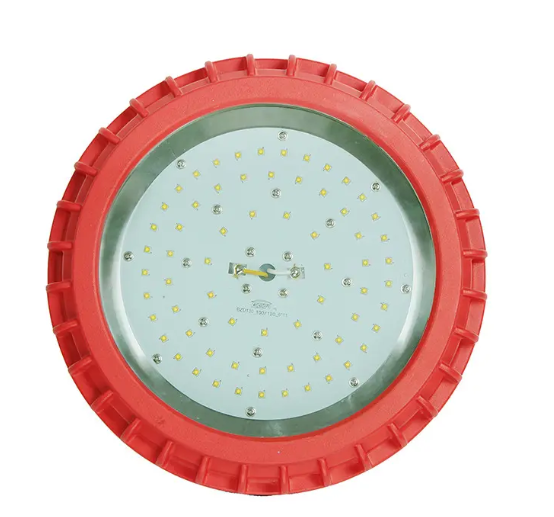
The BZD130 Series Explosion-proof LED Lighting is described as suitable for explosive gas zones 1 and 2 in groups IIA, IIB, and IIC. Its stated application also covers combustible dust groups IIIA, IIIB, and IIIC in zones 21 and 22. Buyers should compare these stated uses with the project’s formal area classification before considering the product.
Those classifications are only part of the selection process. Request current datasheets and certificates to confirm rated power, voltage, temperature limits, ingress protection, mounting options, and installation details. These specifications have not been provided in the information available for this article, so they should be verified rather than inferred from the product name.
The term explosion proof LED helps identify a product category, but it cannot replace model-specific checks. Use one document checklist for every model and resolve questions before approval.
Plan Installation and Future Maintenance
Review installation requirements before equipment arrives. Check the planned sequence, cable routing, mounting method, tools, and access for inspection. Work in hazardous areas must follow site procedures and the manufacturer’s instructions, particularly when installation or servicing could affect equipment protection.
Ask how replacement parts are identified, which inspections are recommended, and what records should be retained. Keep model codes, certificates, and maintenance notes together for later inspections.
Confirm quantities, labels, packaging, and delivery milestones in writing. Review proposed substitutes through the same engineering and compliance process; similar appearance or wattage does not establish equivalence.
Base the Final Choice on Verified Fit
Choosing hazardous-area lighting for a B2B project requires a balanced review of classification, environmental conditions, lighting needs, documentation, and supplier support. A structured process helps procurement teams compare offers and identify missing information before it affects installation or commissioning.
Sunleem EEW offers industrial explosion-proof lighting and electrical equipment for hazardous environments. Its BZD130 Series may be considered when the stated gas and combustible dust classifications align with project requirements. Buyers should confirm current documents, certification scope, and complete specifications with the supplier before approval.
Contractors, distributors, and facility operators can compare eligible suppliers using the same criteria: verified compliance, project fit, service requirements, and delivery terms. Sunleem EEW can be reviewed alongside other suppliers, with the final choice based on current documents and the project’s approved requirements.
