

Labor shortages affect more than headcount. When manufacturers struggle to recruit and retain operators, tasks become bottlenecks, overtime rises, and experienced employees spend less time solving production problems.
Automation can relieve pressure, but a standard machine does not fit every factory. Effective projects begin with hard-to-staff tasks and match technology to the product, process, and work environment.
Identify Tasks Where Automation Adds Value
Start by examining how time is spent on the production floor. Repetitive picking, machine tending, loading and unloading, positioning, and material transfer are common candidates because their steps are defined.
Before selecting equipment, assess cycle frequency, part variation, handling requirements, safety risks, and the cost of interruptions. Not every repetitive task suits a robotics application.
A practical target is work that is physically demanding, ergonomically awkward, or difficult to staff consistently. Automating one task can ease pressure on a line without requiring a factory-wide redesign.
Employees can then focus on setup, quality checks, exception handling, and process improvement, where production knowledge and judgment remain essential.
Match Industrial Automation Solutions to the Actual Process
Custom industrial automation solutions should reflect the plant’s workflow rather than a generic template. Packaging, machining, and electronics assembly each have different constraints.
Define product dimensions, target throughput, floor space, equipment interfaces, changeover frequency, and the conditions operators face during a normal shift before choosing a system.
That review clarifies whether the application calls for a robotic arm, mobile handling platform, dedicated machine, or a combination. It also identifies work that should remain manual. A robot, for example, could load a machining station while an operator manages tool changes and inspects parts. The objective is to relieve a staffing bottleneck, not automate tasks that depend on flexible human judgment.
Coordinate Motion, Control, and Operator Interaction
A robot is only one part of a production cell. Reliable operation depends on coordinated motion, control logic, drive performance, and communication between equipment and people.
Servo systems control movement, programmable logic controllers (PLCs) coordinate machine sequences, and human-machine interfaces (HMIs) let operators view status, adjust settings, and respond to alarms.
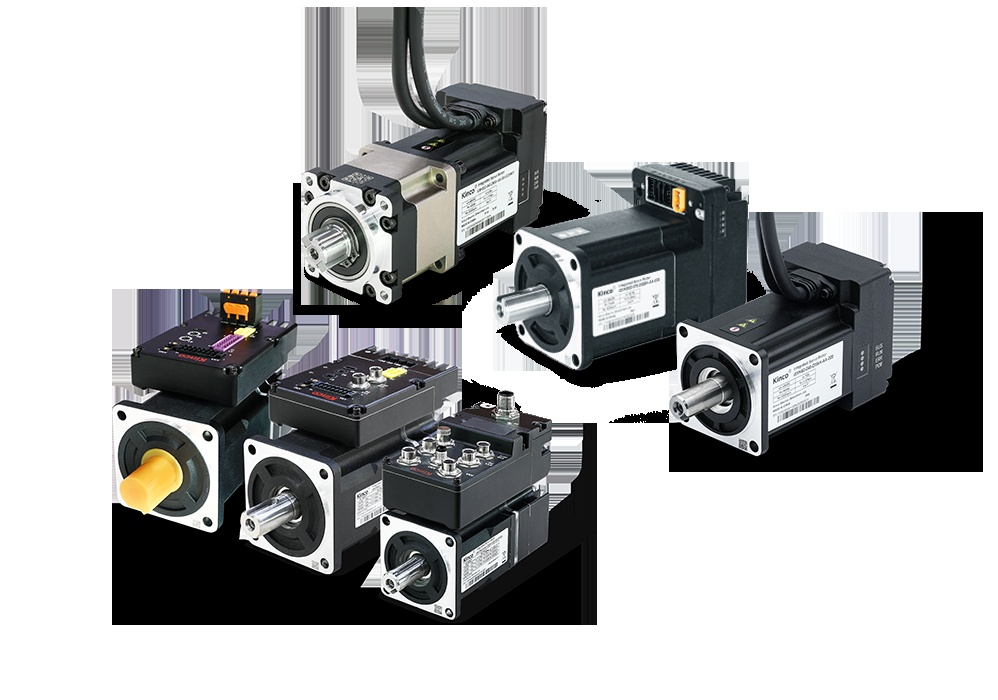
The Kinco Automation portfolio includes HMIs, PLCs, servo products, motion-control equipment, and core robotic components. Its industrial applications cover robot arms, mobile robots, packaging, automotive equipment, and other sectors.
This portfolio gives engineering teams more options when selecting motion and control components for a specific robotic application, where the robot itself is only one part of the overall system.
Design for Changeovers and Maintenance
Staffing pressure often grows when product mixes change or key technicians are unavailable. Design a custom cell around real changeovers, not just its fastest cycle. Consider how fixtures are adjusted, how recipes are selected, how faults are displayed, and whether service parts are accessible. These details affect how much specialist support a line needs each day.
Involve maintenance staff early so alarms, spare parts, recovery steps, service access, and documentation are addressed before installation. Standardized components and clear diagnostics also make training easier.
When operators can manage normal starts, stops, and approved changeovers confidently, engineers have more time for uncommon technical issues.
Introduce Robotics in Practical Stages
A staged rollout tests assumptions before a wider investment. Begin with one bottleneck and record cycle time, downtime, scrap, overtime, and manual interventions. After installation, compare results across representative shifts and product runs. Include setup and recovery time because a cell that performs well in a demonstration can behave differently during everyday production.
If the pilot meets operational and financial targets, refine the design and assess other tasks. If results fall short, baseline data helps teams identify problems with tooling, programming, product variation, material supply, or training. A pilot also gives employees time to learn a new workflow before the technology becomes central to a larger production area.
Keep Employees Involved in the Automation Plan
Automation works more reliably when planned as part of workforce planning. Explain which tasks will change, how responsibilities will shift, and what training is available.
Operators understand part handling, product defects, and minor stoppages, so their feedback can improve layout reviews and trials. Early involvement often reveals practical issues before they become expensive design changes.
When evaluating robotic automation solutions, include guarding, emergency stops, safe access, maintenance lockout procedures, and clear troubleshooting responsibilities in the project scope. Productivity gains matter only when the cell can be operated and maintained safely by the employees responsible for it.
Build a Scalable Response to Staffing Gaps
Custom automation does not replace workforce planning. It is one way to keep essential processes stable when recruitment is difficult, demand shifts, or repetitive tasks restrict how staff is deployed.
Defined requirements, coordinated controls, realistic pilot testing, and operator training help manufacturers make decisions based on production needs rather than the appeal of a particular robot.
Kinco develops industrial automation products, motion-control systems, and robotic components for manufacturers and system integrators. Its portfolio covers key control and drive technologies used in robotic and industrial automation applications.
Its portfolio gives manufacturers and system integrators options for matching motion and control hardware to specific tasks. A project can start with one difficult-to-staff operation and expand when results justify the next step.
