

Negotiating minimum order quantity (MOQ) and lead time is an important part of industrial procurement, particularly for chemical producers balancing production schedules, inventory costs, and capital investment. Equipment orders may involve standard machinery, customized configurations, or complete process systems, each with different manufacturing requirements. A successful negotiation therefore goes beyond requesting a lower price or faster delivery. It requires a clear understanding of production needs, supplier constraints, and opportunities for long-term cooperation.
For procurement managers and plant engineers, preparation is essential. By defining technical requirements, understanding cost drivers, and agreeing on measurable delivery commitments, buyers can develop purchasing arrangements that support operational efficiency without creating unnecessary risks for either party.
Understand What Determines MOQ
Before approaching chemical mixing equipment manufacturers, buyers should clarify what the supplier means by MOQ. For industrial machinery, the term may refer to a minimum purchase quantity, a minimum production batch, or a commercial threshold for a customized order. Unlike consumable chemicals, mixing equipment is often purchased individually or as part of a larger production system.
The minimum order requirement may reflect engineering design work, component sourcing, fabrication setup, testing, or the need to coordinate multiple equipment items. Custom vessels, specialized materials, and nonstandard control systems can introduce additional work that makes smaller orders relatively expensive.
Buyers should ask suppliers to explain the reasons behind their MOQ. If the requirement mainly reflects production scheduling or setup costs, flexibility may be possible. If it reflects a genuine technical or commercial constraint, negotiating a different delivery structure may be more practical than insisting on a lower quantity.
Use Forecasts to Negotiate a Flexible Order Structure
A realistic demand forecast gives buyers a stronger negotiating position. Instead of requesting a permanent reduction in MOQ without offering anything in return, procurement teams can discuss smaller initial purchases combined with planned repeat orders. This approach allows a supplier to assess future demand while helping the buyer avoid excessive inventory commitments.
For example, a chemical producer launching a new formulation requiring a high shear mixer might negotiate an initial equipment purchase for pilot production, followed by a larger order after validating market demand. Alternatively, a supplier may agree to manufacture several units together and release them in stages, provided storage conditions, payment arrangements, and delivery responsibilities are clearly defined.
Volume commitments can also support better commercial terms. However, forecasts should reflect credible demand rather than optimistic projections. Procurement guidance from Chemical Connections highlights phased ordering, flexible scheduling, and documented volume commitments as potential ways to negotiate minimum quantities for high shear mixer procurement.
Negotiate Lead Time Using a Detailed Production Schedule
Lead time should be defined precisely before commercial terms are finalized. A supplier might quote the time required to manufacture equipment, while the buyer expects delivery to the factory site. These are different commitments.
For a high shear mixer, the schedule may include engineering clarification, drawing approval, component procurement, assembly, inspection, factory testing, packing, and transportation. Customized equipment or integrated systems may require additional coordination. Buyers should ask which activities are included in the quoted lead time and which depend on customer approvals or external logistics.
A milestone-based schedule makes progress easier to monitor. The contract can identify target dates for design approval, manufacturing completion, factory acceptance testing, and shipment. It should also specify how changes to the technical scope affect the delivery date. This gives both parties a practical framework for identifying delays early and agreeing on corrective action.
Offer Trade-Offs Instead of Demanding Faster Delivery
When negotiating with chemical mixing equipment manufacturers, buyers should identify which commercial concessions could make an accelerated schedule feasible. Options might include accepting a standard configuration, approving drawings more quickly, allowing a wider delivery window, or paying an agreed premium for expedited production.
Each option has limitations. Faster manufacturing may be impossible if critical components are unavailable or the factory has no spare capacity. Likewise, simplifying a specification should never compromise essential process performance, material compatibility, or safety requirements.
Buyers should compare the cost of expedited delivery against the financial consequences of a delayed production launch. If a delay would interrupt an entire plant expansion, paying for a genuinely achievable acceleration may be justified. If the equipment is intended for a future production phase, a more flexible delivery window could offer better overall value.
Protect Both Sides Through Clear Contract Terms
Verbal assurances are insufficient for equipment procurement. The purchase agreement should record the agreed MOQ, pricing structure, delivery milestones, payment schedule, and conditions that trigger the start of the lead-time calculation.
It should also establish procedures for handling delayed approvals, specification changes, material substitutions, and shipping disruptions. Where commercially appropriate, buyers can negotiate remedies for supplier-caused delays, including agreed compensation or escalation procedures. Responsibilities should be clearly allocated, with reasonable provisions for circumstances outside either party’s control.
For complex projects, payment milestones linked to verifiable progress can improve transparency. Inspection requirements, acceptance criteria, documentation, and commissioning responsibilities should also be agreed upon before the order is released. These measures create accountability without relying solely on pressure during negotiations.
FLUKO: Building Negotiations Around Customer Requirements
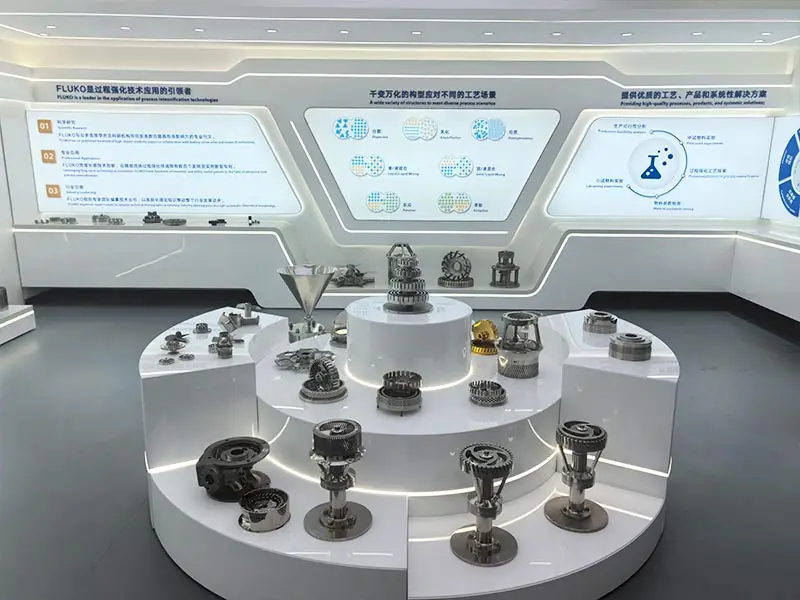
FLUKO offers an example of a mixing equipment supplier whose stated business values emphasize customer-centric innovation and integrity-based cooperation. It focuses on understanding customer demands, improving products and services, and creating long-term value. FLUKO also reports more than 10,000 successful project experiences across multiple industries.
For buyers evaluating a potential partnership, these priorities provide useful starting points for discussions about application requirements, customized solutions, production planning, and technical support. Specific MOQ arrangements and delivery commitments should still be confirmed directly for each project, rather than assumed from general company statements.
Build a Procurement Agreement That Supports Long-Term Growth
Effective negotiation balances immediate purchasing needs with the supplier’s production realities. Buyers can improve outcomes by understanding MOQ drivers, presenting credible demand forecasts, defining lead time carefully, and offering practical trade-offs. Clear contracts then translate these discussions into measurable responsibilities.
When assessing chemical mixing equipment manufacturers, procurement teams should compare total project value rather than focusing exclusively on the lowest purchase price or shortest promised schedule. A transparent agreement with realistic delivery milestones and room for future cooperation can help businesses manage costs, reduce disruption, and establish a more dependable supply relationship.
