

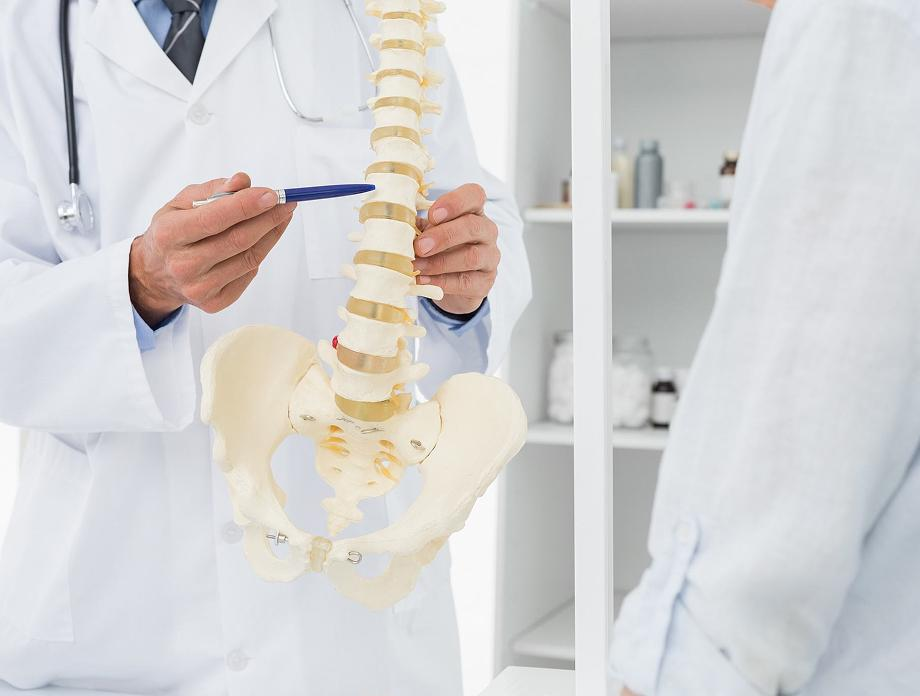
At SoonSer, they recognize the transformative role of 3D printing in the healthcare industry. Specifically, SLA ceramic 3D printers are helping to reshape the way medical devices, implants, and prosthetics are designed, manufactured, and tailored to individual needs. The ability to create accurate, customized medical solutions has led to improved patient outcomes and significantly reduced production costs and time. This is particularly beneficial for creating patient-specific devices that can be adapted to their unique anatomy, which would be difficult to achieve with traditional manufacturing methods.
Customized Implants and Prosthetics with 3D Printing
The ability to produce customized implants and prosthetics is one of the most impactful uses of 3D printing in healthcare. SoonSer’s 3D ceramic printers are a perfect example of how advanced technology can meet the precise needs of individual patients. Using SLA ceramic 3D printing, medical professionals can create prosthetics that are not only a perfect fit but also offer better functionality and durability compared to traditional implants. These custom-made devices improve comfort and speed up recovery times, which is essential in patient care.
Ceramic materials used in SLA printing are highly durable, biocompatible, and resistant to wear, making them ideal for high-performance applications like dental implants, bone scaffolds, and orthopedic devices. SoonSer’s 3D ceramic printers allow healthcare providers to create these precise, long-lasting components quickly and at a fraction of the cost of conventional methods. This enables faster production and a higher level of personalization in medical care, leading to better patient outcomes and improved comfort.
Rapid Prototyping for Medical Devices
3D printing has also made a significant impact on rapid prototyping in the development of medical devices. By utilizing SLA ceramic 3D printers, designers and manufacturers can produce functional prototypes much faster than traditional methods, significantly accelerating the product development process. This technology allows medical device developers to test and refine their designs more quickly, ensuring that only the most effective, safe, and reliable products make it to market.
In the medical industry, prototyping with ceramic materials offers additional benefits. The ability to produce accurate and durable models that can be tested in real-world conditions is critical for ensuring the success of new medical devices. SoonSer’s 3D ceramic printers enable developers to create realistic prototypes that simulate the final product’s functionality, helping to refine designs before they enter mass production. This helps reduce risks, costs, and time-to-market, enabling faster delivery of new medical technologies to those who need them most.
Medical Research and Education
Another important application of 3D printing is in medical research and education. SoonSer’s 3D ceramic printers are used to create highly detailed, patient-specific models that can aid researchers in studying complex medical conditions and testing new treatments. These models offer valuable insights into diseases and help develop targeted therapies, making them indispensable tools in the research and development phase.
For medical education, 3D printed models are invaluable for training students and surgeons. These models, which can be made to replicate real human organs, bones, and tissues, give students a more accurate and tactile understanding of human anatomy. This hands-on approach allows medical professionals to practice procedures or study complex conditions in a controlled environment before performing them on actual patients. SLA ceramic printing enables these models to be both durable and highly detailed, offering the ideal tool for training and research.
Competitive Advantage of SoonSer’s 3D Printers
SoonSer distinguishes itself in the 3D printing industry with its SLA ceramic 3D printers, which are specifically designed to meet the demands of the medical field. These printers provide exceptional precision and the ability to use specialized materials like ceramic that are biocompatible and durable, making them ideal for medical implants, prosthetics, and medical device prototypes. Their advanced technology allows for the production of highly accurate and customized solutions, making them a crucial tool for healthcare professionals.
The advantages of using SoonSer’s 3D ceramic printers extend beyond precision and material quality. The printers’ efficiency, speed, and cost-effectiveness provide a significant competitive edge in the medical industry. Medical professionals and researchers can rely on SoonSer’s printers to produce patient-specific devices, speeding up the production process while ensuring high-quality results. This makes SoonSer an invaluable partner in the ever-evolving healthcare sector, providing the tools necessary to innovate and deliver better patient care.
Conclusion
The integration of 3D printing into the medical industry is proving to be a game-changer. With SoonSer’s SLA ceramic 3D printers, healthcare providers are able to deliver highly customized, high-quality implants, prosthetics, and medical devices. This technology not only improves patient outcomes but also reduces production time and costs, leading to more affordable and personalized healthcare. Whether it’s for creating custom prosthetics, prototyping new devices, or advancing medical research, SLA ceramic printing from SoonSer is paving the way for a more efficient, accurate, and patient-centered healthcare system.
