

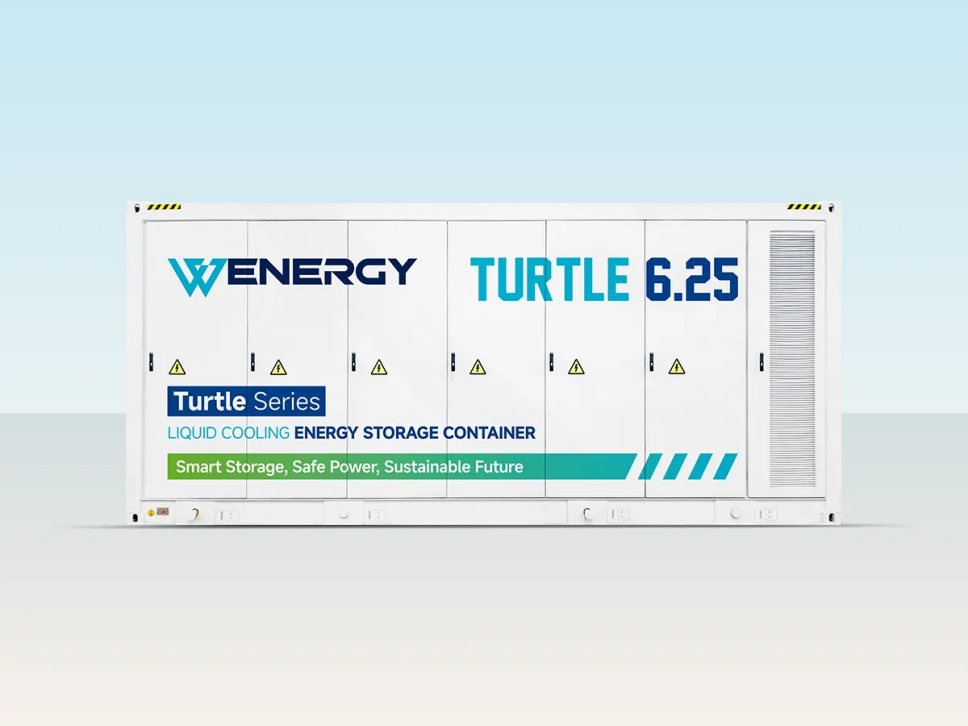
The emergence of containerized energy storage systems (ESS) marks a significant advancement in energy management, particularly through innovations like the Turtle Series 6.25MWh Grid-Scale Energy Storage Container. As the demand for efficient energy solutions grows, container energy storage system suppliers are stepping up to provide robust answers for various applications. This article explores the primary applications of these systems, emphasizing their utility in renewable energy integration, industrial and commercial use, off-grid power solutions, and emergency energy storage.
Utility-Scale Renewable Integration
One of the most prominent applications of containerized ESS solutions is their integration into utility-scale renewable energy projects. As energy grids evolve to accommodate an increasing amount of renewable sources, such as solar and wind, the ability to store energy for later use becomes crucial. The Turtle Series’ grid-scale energy storage capability is designed to optimize the balance between energy production and consumption.
By leveraging high energy density solutions—such as those utilizing long-life, zero-degradation battery cells with a density of 430Wh/L—these systems enable the storage of large quantities of energy in a compact 20-foot container. This design not only reduces space requirements but also simplifies logistics. Container energy storage system suppliers, like Wenergy, provide products that meet global transport standards (99% compliance), facilitating deployment across different geographic regions and energy markets.
Moreover, during periods of low energy production, these containerized solutions can discharge stored energy to stabilize the grid, thus ensuring a continuous supply and enhancing the reliability of renewable sources. This capability is vital as the global reliance on intermittent energy generation increases, effectively contributing to a cleaner and more sustainable energy future.
Industrial and Commercial ESS
Containerized ESS solutions are also finding significant applications in industrial and commercial settings. Businesses are increasingly recognizing the importance of energy efficiency and reliability. These systems offer companies a practical method to manage their energy needs more effectively, reduce costs, and support sustainability goals.
In industrial environments, the high energy density and compact nature of the bess container make it an ideal choice for energy-intensive operations. By employing these systems, businesses can shift their energy usage to off-peak times, benefiting from lower rates and minimizing demand charges. In contrast, during peak times when energy rates are higher, stored energy can be utilized, leading to considerable savings.
Furthermore, containerized ESS solutions enhance the resilience of commercial operations. In unexpected situations such as grid failures or natural disasters, these systems provide emergency energy storage that ensures continuity of operations. As a testament to their efficacy, Wenergy has developed solutions that can integrate seamlessly with existing infrastructure while delivering reliable performance.
Harnessing the Future of Energy Storage
As industries and utilities continue to adapt to a rapidly changing energy landscape, containerized energy storage systems offer versatile and efficient solutions. The applications discussed—utility-scale renewable integration and industrial and commercial ESS—highlight the capacity of these systems to support diverse energy needs.
The Turtle Series 6.25MWh Grid-Scale Energy Storage Container stands out for its high performance and compatibility with global standards, providing a reliable choice for both large-scale energy projects and industrial operations. By partnering with reputable container energy storage system suppliers like Wenergy, stakeholders can confidently invest in technology that promotes resilience, efficiency, and sustainability.
This strategic deployment of containerized ESS solutions underscores a future where energy management is not only efficient but also aligned with environmental responsibility, paving the way for a more sustainable and resilient global energy landscape.
