

Jobsite efficiency and structural integrity depend heavily on the mechanical properties of heavy-duty temporary works. Heavy engineering projects demand temporary framework capable of enduring high load capacities without compromising structural rigidity. The overall dependability of steel scaffolding is dictated by material selection, precision manufacturing techniques, and cold-rolled steel tolerances.
When main contractors evaluate temporary access systems for high-rise or bridge construction, understanding how mechanical yield strength and joint design influence load dispersion becomes paramount. Prior to deployment on-site, equipment supplied by manufacturers like Rongze undergoes comprehensive load testing to establish ultimate bearing capacities, helping engineers select the right load-bearing configurations.
Material Composition and Mechanical Strength
Structural performance begins with the raw chemical composition of the steel grade chosen for vertical standards and horizontal transoms. High-grade carbon steel, such as Q355 or Q235, provides the baseline yield strength required to handle concentrated axial loads and lateral force pressures. Lower quality metals exhibit variable wall thicknesses and micro-fissures, which significantly increase structural deflection under maximum load limits. Premium steel scaffolding utilizes precision-extruded seamless tubes that deliver consistent tensile resilience across every bay, ensuring predictable behavior under severe strain.
To further elevate structural stability, advanced metallurgy processes enhance tube ductility while maintaining high load resistance. When temporary towers reach significant heights, unyielding resistance against torsional forces becomes essential to prevent structural swaying or localized buckling. Standardized testing confirms that uniform wall thickness directly correlates with load capacity, offering predictable performance across multi-story scaffolding assemblies.
Structural Joint Geometry and Connection Rigidity
The transfer of static and dynamic loads across a modular framework relies heavily on joint geometry and connection mechanics. Traditional tube and coupler setups depend entirely on friction, requiring precise torque application to avoid slipping under heavy loads. Conversely, modular systems utilize fixed node points, such as wedge rosettes or cup locks, which establish rigid mechanical interlocks. The geometric alignment of these connections dictates how effectively axial loads dissipate down to the base jacks.
Loose or poorly machined joint tolerances introduce structural deflection, causing overall framework instability under high wind shear or heavy equipment movement. Precision manufacturing ensures that wedge locks engage tightly into rosettes, reducing spatial play within the frame structure. Ringlock Scaffolding demonstrates how standardized node geometries create rigid structural grids capable of carrying massive shoring loads while streamlining assembly procedures.
Precision Manufacturing and Tolerance Control
Structural performance relies on strict manufacturing standards that maintain uniform component dimensions across large production batches. Variations in vertical ledger lengths or out-of-round tubing create uneven stress concentrations when modular bays are connected together. Automated robotic welding systems maintain precise weld penetration along node points, eliminating hidden cold joints that could compromise overall structural strength under sudden impact loads.
Quality control protocols ensure that each batch meets stringent international manufacturing tolerances before leaving the production line. Modern manufacturing facilities utilize automated testing equipment to verify wall thickness consistency, rosette positioning, and pin engagement tolerances. Rigorous dimensional control ensures seamless component interchangeability on active job sites, eliminating forced fittings that could induce localized structural stress.
Load Dispersion and Base Plate Design
The structural stability of any temporary framework depends on how effectively vertical loads transmit down to the supporting substrate. Base plates distribute concentrated axial forces over a broader surface area, preventing localized soil compression or concrete slab damage. Adjustable screw jacks allow site workers to level the base framework accurately, compensating for ground slope variations while maintaining vertical alignment throughout the entire structure.
Improper base placement or uneven load distribution creates dangerous eccentric loading conditions within vertical standards. When standards lean out of plumb, structural load capacities drop significantly, increasing the risk of structural deflection or localized frame buckling. Utilizing heavy-duty adjustable base jacks with reinforced thread patterns preserves vertical alignment, keeping structural forces properly centered along primary load-bearing axes.
Standardization and Assembly Efficiency
The physical safety and load performance of installed equipment directly tie into the simplicity of assembly sequences. Complex or non-standardized components increase the likelihood of improper installation, missing locking pins, or loose wedging on site. Standardized modular systems feature intuitive connection points that reduce installation errors while ensuring every locking mechanism registers securely into place.
Uniform dimensional standards allow site crews to execute assembly plans accurately without requiring custom field modifications. Rapid, mistake-proof assembly mechanics protect structural integrity by ensuring every structural brace engages as engineered. Standardized components simplify structural inspection routines, allowing safety managers to verify joint engagement visually across expansive modular installations.
Compliance and Quality Verification
Independent verification and adherence to international structural codes confirm that temporary equipment performs reliably under demanding field conditions. Certification processes involve rigorous destructive testing, load deflection monitoring, and weld integrity inspections by third-party technical authorities. Global contractors rely on standardized test certifications to ensure imported temporary works meet local building regulation requirements for load-bearing capacity.
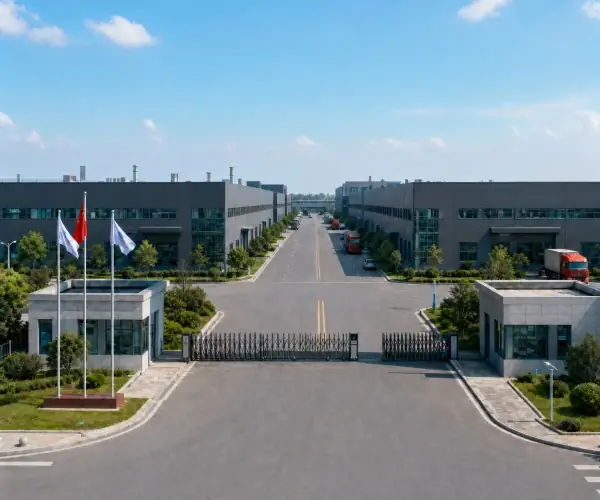
Beyond initial factory testing, continuous quality assurance protocols monitor raw material batches and galvanizing thickness throughout full-scale production runs. Working alongside a reputable scaffolding manufacturer ensures that project managers receive fully certified structural components manufactured to exacting safety parameters. Rigorous factory quality control minimizes performance variances, providing global contractors with dependable temporary access solutions across critical infrastructure builds supported by Rongze.
Key Performance Drivers Summary
Achieving maximum structural integrity with temporary works requires balancing material quality, precision engineering, and environmental protection. High-yield carbon steel provides essential load resistance, while advanced hot-dip galvanization safeguards component integrity against long-term environmental degradation. Precision node geometry ensures dynamic and static forces dissipate safely through primary vertical standards down to reinforced base foundations. By selecting standardized modular systems produced under strict factory quality standards, engineering teams preserve jobsite safety while maximizing structural performance on demanding construction builds.
