

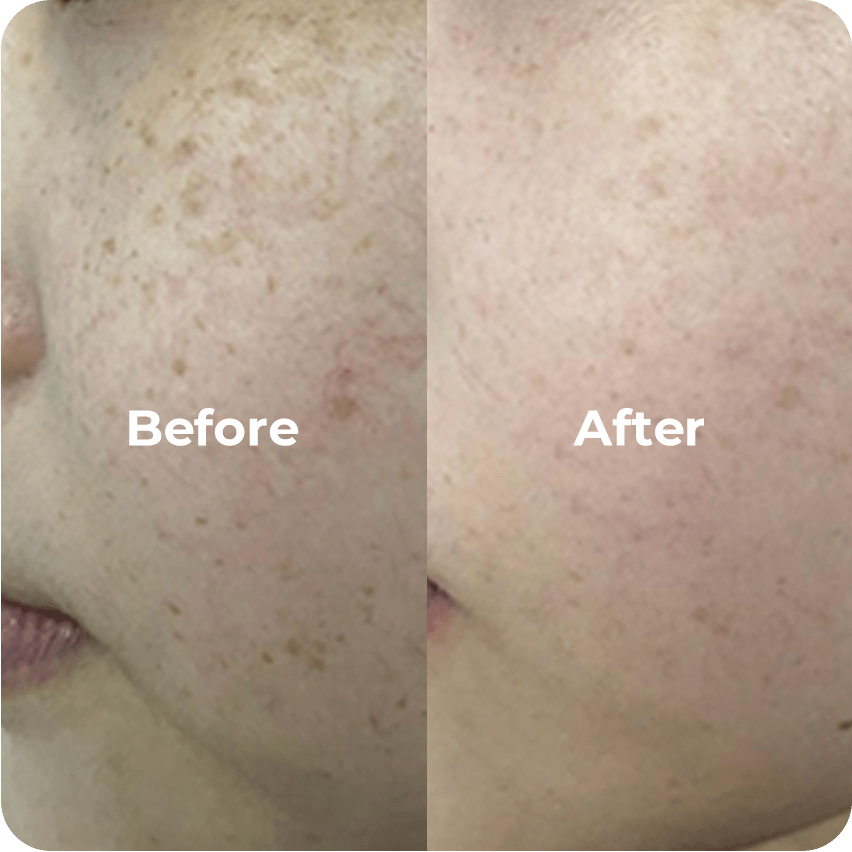
Clinics and procurement teams assessing tattoo removal solutions often prioritize approaches that maximize pigment clearance while minimizing tissue injury. A q switched nd yag laser machine is widely regarded in the clinical community for its ability to fragment ink with limited collateral damage. ENZOEYS positions the LIFFAN Q6 as a commercially focused q‑switched laser tattoo removal machine engineered to reduce scarring risk through controlled energy delivery, wavelength selectivity, and operational consistency.
Selective Photomechanical Fragmentation Reduces Thermal Injury
The q switched nd yag laser machine operates by delivering high‑peak, short‑duration pulses that produce a photomechanical effect on pigment particles rather than prolonged thermal exposure to surrounding dermis. This mechanism lowers the risk of coagulative necrosis that can lead to hypertrophic scarring. ENZOEYS notes that the LIFFAN Q6’s dual‑mode SPT/HPT operation and 1064 nm / 532 nm wavelengths enable clinicians to match pulse characteristics and wavelength to ink depth and color, optimizing fragmentation while sparing adjacent tissue and dermal architecture.
Consistent Spot Quality and High‑Frequency Output Support Controlled Treatments
Uniform energy deposition is a factor in predictable wound healing. A q switched nd yag laser machine with stable output maintains consistent spot size and fluence across repeated firings; the LIFFAN Q6’s 10 Hz high‑frequency stable output preserves spot integrity at clinical treatment speeds. ENZOEYS emphasizes that this consistency reduces operator variability and the likelihood of over‑treatment in focal areas—both common contributors to scarring. For business purchasers, predictable performance translates into standardized protocols that minimize adverse events and decrease post‑treatment interventions.
Minimizing Mechanical Trauma and Post‑Procedure Morbidity
Non‑laser tattoo removal alternatives—excision, dermabrasion, or aggressive chemical approaches—remove or traumatize dermal tissue directly and carry inherently higher scarring risk. By contrast, a q‑switched laser tattoo removal machine targets pigment in situ, allowing natural dermal clearance mechanisms to process particulate debris with controlled inflammation. ENZOEYS highlights that the LIFFAN Q6’s broad applicability (tattoos, pigmentation, rejuvenation) enables clinics to consolidate devices while adhering to evidence‑based protocols that prioritize tissue preservation.
Workflow, Training, and Aftercare Protocols That Reduce Scarring
Device capability must be paired with operator training and standardized aftercare to mitigate scarring. ENZOEYS provides protocol libraries and training support aligned with the LIFFAN Q6’s dual‑mode features, enabling clinics to implement calibrated treatments and post‑procedure wound care that encourage optimal healing trajectories. From a procurement standpoint, devices that reduce complication rates lower indirect costs related to revisions and extended patient management.
For clinics seeking a low‑morbidity tattoo removal pathway, a q switched nd yag laser machine such as the LIFFAN Q6—offered by ENZOEYS—combines photomechanical pigment disruption, stable high‑frequency output, and protocol support to reduce thermal and mechanical injury, thereby decreasing the likelihood of skin scarring while preserving clinical efficacy.
