

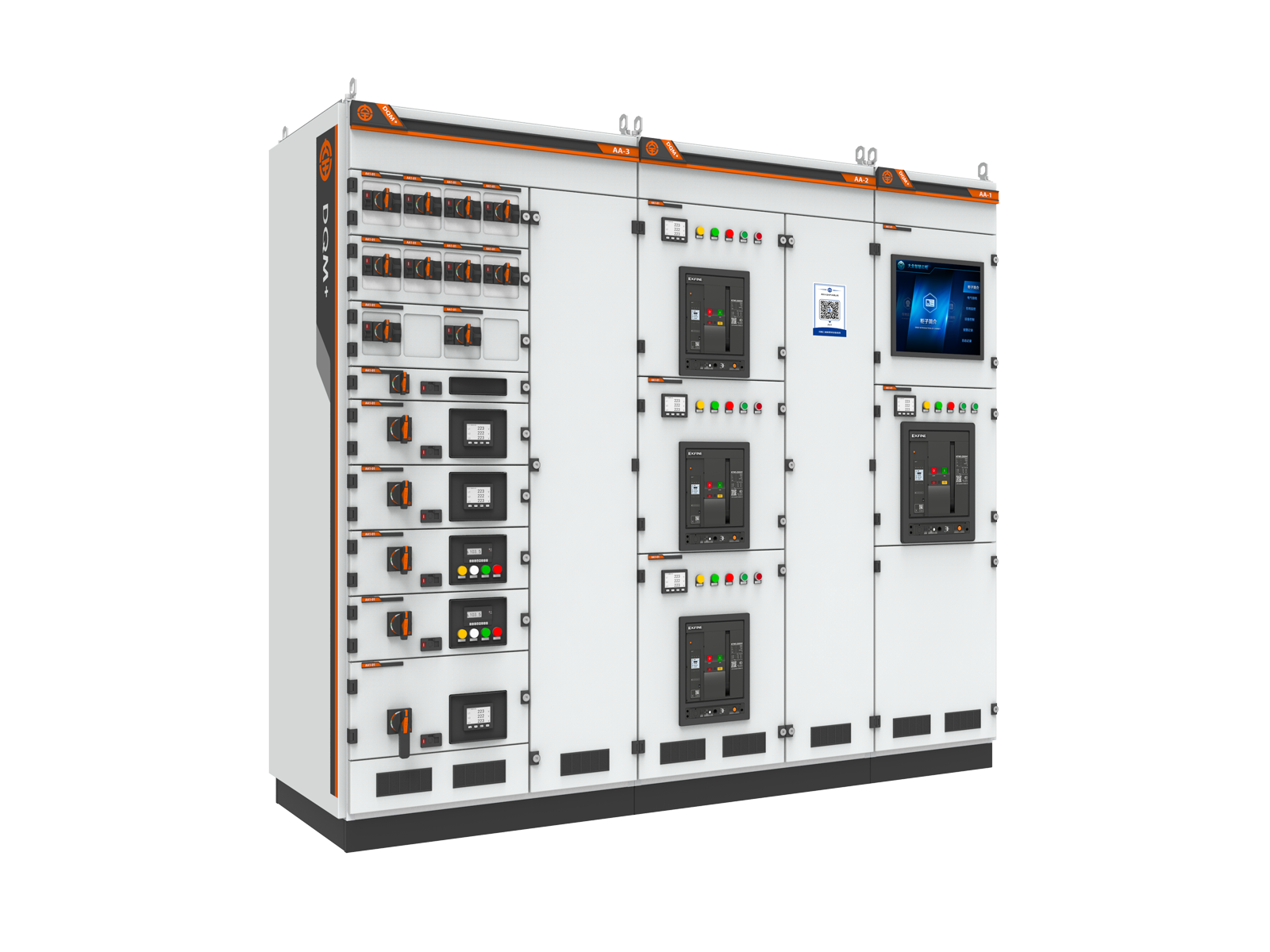
Industrial plants, commercial complexes, and modern infrastructure facilities rely on steady power distribution to maintain operational continuity, protect expensive machinery, and ensure worker safety. Within these power networks, low-voltage power distribution infrastructure acts as the primary control, protection, and isolation hub for systems operating at or below 1,000 volts AC.
Choosing a qualified low voltage switchgear company represents a foundational engineering decision during plant design, expansion, or modernization. Evaluating technical capabilities, compliance certifications, structural design features, and digital automation guarantees long-term electrical network reliability.
Evaluating Technical Expertise and Global Track Record
A primary step in vendor assessment involves examining the technical track record and manufacturing depth of prospective partners. Modern electrical infrastructure requires high customization to match spatial constraints, heavy load demands, and specialized environmental challenges across manufacturing, renewable energy, and data center applications.
Leading equipment manufacturers maintain advanced manufacturing facilities equipped with automated metal sheet fabrication, robotic busbar processing, and precision assembly lines. Sourcing power equipment from an experienced low voltage switchgear company ensures that custom busbar routing, cable entry options, and control panel layouts align directly with project single-line diagrams.
Regulatory compliance and international certification represent essential verification metrics. Established manufacturers like Daqo Group design equipment in strict adherence to globally recognized standards, such as IEC 61439-2, GB 7251.2-2023 and IEC 61641. Independent type-test certificates confirm that switchgear assemblies have passed rigorous assessments for short-circuit withstand strength, temperature rise limits, dielectric capabilities, and mechanical endurance. Reviewing a supplier’s reference portfolio across similar heavy-industrial applications provides clear confirmation of their execution capability.
Structural Architecture, Separation Forms, and Busbar Design
Engineering teams must scrutinize internal structural design features during vendor evaluations, as physical enclosure architecture directly influences operational safety, maintenance efficiency, and system modularity.
Internal Separation Forms
According to IEC 61439-2 guidelines, low-voltage switchgear incorporates internal compartmentalization ranging from Form 1 to Form 4b. Internal barriers isolate main busbars, functional units (such as circuit breakers and starters), and incoming or outgoing cable terminals from one another. Selecting an established low voltage switchgear company capable of delivering Form 3 or Form 4b configurations enhances worker safety by preventing accidental contact with energized busbars during routine maintenance or component replacement in adjacent bays.
Busbar Engineering and Short-Circuit Resilience
The main horizontal and vertical busbar assemblies form the electrical backbone of any power panel. High-quality switchgear designs feature tin- or silver-plated high-conductivity copper busbars designed to handle high continuous currents and withstand significant mechanical stresses caused by prospective short-circuit currents. Verifying that busbar bracing and thermal dissipation structures exceed site short-circuit calculations prevents structural deformation during fault events.
Flexible Functional Unit Arrangements
Depending on operational criticality and maintenance protocols, switchgear panels house functional units in fixed, removable, or withdrawable formats. Fully withdrawable circuit breaker modules allow maintenance technicians to rack individual breakers out for inspection, testing, or replacement without requiring a full busbar de-energization, thereby preserving plant uptime.
Digitalization, Condition Monitoring, and Arc-Flash Safety
As industrial operations transition toward digital management, power distribution equipment must integrate smart automation features to support predictive maintenance, remote diagnostics, and energy optimization.
Smart low-voltage assemblies replace traditional analog metering with intelligent circuit breakers, digital relays, and multi-function power meters. Product lines offered by Daqo Group support integration with mainstream industrial communication standards, enabling seamless integration into supervisory control and data acquisition (SCADA) networks and building management systems.
Continuous thermal monitoring represents a major advance in equipment reliability. Built-in temperature monitoring capabilities detect local hot-spots arising from loose connections well ahead of insulation deterioration.
Furthermore, safety-oriented design capabilities enable technicians to operate circuit breakers remotely from outside the designated arc-flash boundary. Remote operation minimizes human presence during high-risk switching routines, significantly reducing workplace safety hazards.
Quality Assurance Frameworks and Routine Factory Testing
Rigorous quality control frameworks govern the manufacturing and assembly lifecycle of high-performance electrical gear. Vendor evaluations should audit raw material verification processes, assembly oversight, and routine testing protocols.
Prior to assembly, raw materials—including sheet steel, electrolytic copper stock, insulating polymers, and switchgear components—undergo strict incoming material inspections to confirm chemical composition and physical tolerances. Standardized assembly workflows utilize calibrated torque-monitoring tools and automated measurement stations to guarantee mechanical precision.
Before shipment, every completed switchgear assembly must undergo comprehensive factory acceptance testing (FAT). Standardized routine test procedures include:
- Dielectric Power-Frequency Withstand Testing: Verifying insulation integrity across primary circuits and control connections.
- Insulation Resistance Measurement: Ensuring internal barriers remain free from moisture or physical contamination using high-voltage megohmmeters.
- Main Circuit Resistance Verification: Checking micro-ohm values across internal busbar joints to guarantee minimal contact resistance.
- Mechanical Interlock Functionality: Testing mechanical interlocks and racking mechanisms across multiple operating cycles to confirm proper safety sequencing.
Manufacturers may maintain production records and documentation to support product traceability. Shipped equipment includes comprehensive documentation packages containing single-line diagrams, type-test certificates, FAT records, and installation manuals to support seamless field commissioning.
Total Cost of Ownership and Lifecycle Vendor Support
Procurement decisions should evaluate total cost of ownership (TCO) across the equipment’s expected service life, rather than focusing solely on upfront capital expenditure. Long-term value relies heavily on vendor support, component availability, and modular adaptability.
A modular switchgear structure allows plant engineers to add prospective feeder panels or upgrade protection modules seamlessly as site power demands grow. Partnering with an established manufacturer ensures consistent access to genuine replacement components, technical field services, operator training, and emergency technical support, ensuring long-term power grid reliability across all operational cycles.
