

Choosing a supplier for a fleet video project requires more than checking camera resolution or price. B2B buyers need to compare hardware, AI processing, platform compatibility, delivery, and support. The right evaluation process should connect product specifications with real operating conditions, including vehicle type, route risk, working hours, network coverage, and integration requirements.
An AI video telematics manufacturer should therefore be assessed as a technical partner rather than only a device vendor. Fleet owners, distributors, and system integrators need to understand how well the supplier can support deployment, customization, and future expansion.
Understanding the Fleet Operating Environment
The first step is to define how the fleet works every day. Logistics fleets may focus on driver behavior, route visibility, and cargo security. Mining and oil and gas fleets may face dust, vibration, long shifts, and remote routes. Public transport and school bus operators may place more attention on driver monitoring, passenger safety, and event review.
Buyers should also identify the required camera channels, storage capacity, network type, live-view functions, and event upload rules. These details affect hardware choice, data use, installation, and cost.
When comparing a fleet telematics company, buyers can prepare a requirement sheet before discussing products. This keeps technical conversations focused and helps prevent devices from being selected only by headline specifications.
What Buyers Should Check in Hardware and AI
Hardware capability should be reviewed against real fleet conditions. Important points include processor performance, video channels, recording resolution, storage structure, communication modules, power design, and operating system stability. These factors help fleet operators assess whether a device fits their vehicles and daily operating requirements.
AI functions also need practical testing. ADAS and DMS can support event detection, but buyers should review trigger logic, processing speed, video synchronization, and false alert rates. These checks are more useful than counting advertised AI features. When comparing suppliers, fleet operators can also evaluate an AI video telematics manufacturer based on its hardware capabilities and support for different fleet applications.
Software updates matter as well. Fleet projects often start with basic recording and later add driver monitoring, remote review, or other IoT functions. Buyers should ask how firmware is updated, whether new functions are compatible with existing hardware, and whether future upgrades require platform replacement.
Platform Integration Matters in B2B Projects
Many fleets already use an existing software platform. Replacing that environment can increase deployment cost and slow implementation. Buyers should confirm whether devices can connect with third-party platforms and whether APIs, protocols, or integration documents are available.
A fleet telematics company with an open ecosystem can be easier for distributors and system integrators to work with. Compatibility with platforms such as Wialon or GpsGate gives partners more flexibility when customers already have software in place.
Integration testing should cover GPS data, alarms, video requests, device status, and remote configuration. It is also useful to test weak or changing network conditions because many commercial fleets move through areas with inconsistent mobile coverage.
Evaluate Customization and Engineering Support
B2B fleet projects often need more than standard hardware. Requirements may involve firmware changes, interfaces, wiring, enclosure details, branding, event logic, or platform functions. Buyers should ask who manages customization and how engineering communication is handled.
Faster customization should be judged by actual engineering capability. It may require changing hardware interfaces, adapting firmware, or supporting a new software connection. This matters for distributors and solution providers serving different vehicle types or markets.
In this area, BSJ Technology can be evaluated through its OEM and ODM model, 400+ R&D personnel, hardware engineering resources, and support for third-party software integration. These capabilities are relevant when a project needs device-level changes rather than only standard configuration.
Pilot Testing Before Large-Scale Deployment
Supplier claims should be checked through sample testing and a small pilot fleet. A pilot can reveal installation issues, video limits, false alerts, network instability, and storage behavior.
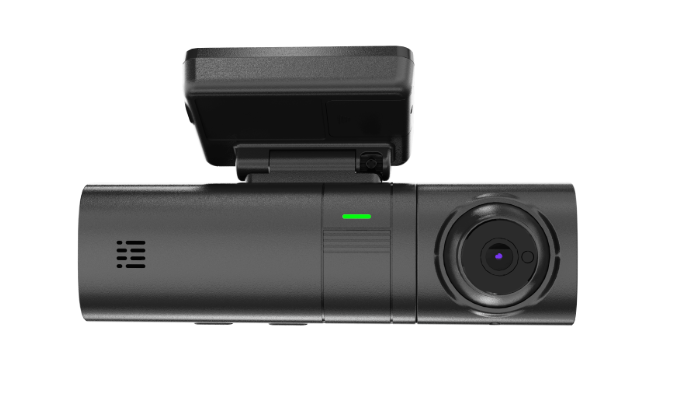
The DR03 provides a practical example for this stage. It is a 3-channel AI dashcam that runs on Linux and uses a 1.0 TOPS AI NPU. It combines ADAS and DMS algorithms, multi-channel HD video recording, and global connectivity in a compact hardware platform.
Testing should also include remote configuration, event retrieval, firmware updates, repeated power cycles, and network recovery. These checks show how the device behaves during routine fleet operation.
Delivery, Quality Control, and Technical Support
Large fleet projects depend on stable production and clear rollout planning. Buyers should review quality control procedures, certification coverage, production capacity, shipment planning, and expected lead times. Delayed hardware can affect installation and project milestones.
Technical support is also important after deployment. Fleet projects often involve installers, software teams, distributors, and end customers in different locations. Clear troubleshooting and responsive communication can reduce time spent identifying hardware, network, or integration problems.
BSJ Technology also presents global technical support, controlled delivery schedules, certification coverage, and strict quality control as parts of its B2B offering. These points should still be verified against the exact project scope, sample results, and required service process.
Key Factors Behind the Final Decision
A fleet telematics company should be judged on the complete project fit rather than one feature or price point. Buyers can compare pilot results, integration workload, customization response, delivery planning, support quality, and total deployment requirements.
The final decision should be based on project evidence. A simple scorecard can help teams compare technical capability, integration flexibility, hardware quality, engineering support, and rollout risk. This gives B2B buyers a clearer basis for selecting a supplier that matches both current fleet needs and future expansion plans.
