

I.Streamlining Operations in High-Volume Logistics Chutes
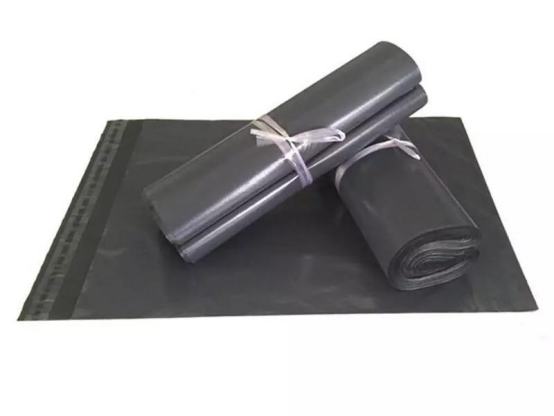
Large-scale B2B buyers and e-commerce enterprises prioritize speed and physical reliability on the packaging line. Standard white plain poly mailers, colored plain poly mailers, recycled poly mailers, transparent poly mailers, and poly mailers with handle variations are highly customizable to fit various operational requirements. Workers can slide items into these bags, peel the release liner, and press the self-adhesive flap closed in seconds. Standard configurations utilize co-extruded low-density polyethylene (LDPE), which creates a dual-layer film. The outer layer provides an ideal surface for printing, while the dark interior layer ensures complete opacity to protect valuable contents. This co-extruded design provides exceptional puncture and tear resistance, allowing the mailers to withstand the severe frictional forces of automated sorting machinery and conveyors. For packaging traders and wholesalers, offering these high-performance bags ensures client satisfaction and minimal product return rates due to damaged transit materials.
II.Elevating Brand Authority with Custom Printed Poly Mailers
For modern direct-to-consumer apparel and retail brands, the shipping bag is the first physical point of contact with the customer. A dull, generic bag can diminish the unboxing experience, whereas custom printed poly mailers turn standard shipping into an active brand marketing channel. Achieving consistent, high-fidelity graphics on plastic film requires sophisticated industrial printing machinery. Because raw polyethylene is non-porous and naturally resistant to liquids, it must undergo corona discharge treatment to temporarily increase its surface tension. This chemical modification allows high-speed flexographic presses to apply specialized, quick-drying inks with absolute precision. Relying on calibrated systems like the Pantone Matching System ensures brand colors match across millions of bags. Professional manufacturers control the entire production line to prevent color drifting, flaking, or smudged graphics. This strict control allows high-growth e-commerce companies to present a highly polished, professional brand image upon delivery.
III.Meeting Global Compliance and Sustainability Metrics
Global environmental regulations are forcing logistics networks and shipping traders to rethink their raw material choices. B2B buyers must navigate complex green standards without sacrificing physical bag performance or inflating their operating budgets. Modern factories solve this dilemma by offering Global Recycled Standard (GRS) certified materials tailored to regional legal requirements. Importers can choose from three main sustainable raw material configurations depending on their targets. Pre-consumer recycled polymers utilize clean industrial factory waste, while post-consumer recycled options process consumer-recycled plastics back into the manufacturing cycle. For regions with strict plastic bans, such as Australia, fully biodegradable polymers are the highly preferred choice. Offering sustainable packaging solutions enables global brands to meet local environmental targets, reduce packaging-related carbon footprints, and win consumer trust in competitive markets. Calibrating blow-molding equipment for these eco-friendly materials requires deep technical expertise, as recycled resins behave differently during extrusion. High-caliber manufacturers fine-tune their operations so that eco-friendly bags retain identical tensile strength and drop-test ratings as virgin plastic mailers.
IV.Ensuring Structural Integrity and Damage Prevention
The final performance of a shipping bag depends on rigorous mechanical testing and high-quality raw materials. Visual consistency means nothing if a bag splits open along its side seams under physical pressure. Professional packaging manufacturers implement strict internal quality control systems to ensure every batch of custom printed poly mailer bags performs flawlessly. Laboratory teams pull regular samples from the production line to test crucial mechanical properties. These include testing tear resistance in both the machine direction (MD) and the transverse direction (TD). The self-adhesive flap must also undergo rigorous hot-melt shear testing to guarantee it forms a permanent, tamper-evident seal. This security feature is vital for high-value shipments, as any attempt to open the bag will destroy the plastic. Global express giants like FedEx and UPS require these strict performance standards to prevent transit failures and cargo losses across their automated sorting facilities.
V.Securing Long-Term Packaging Supply Chains
Navigating bulk packaging procurement requires an experienced partner capable of delivering stable quality at an industrial scale. Small manufacturing facilities often struggle with material consistency and machine calibration, leading to supply disruptions. Selecting a manufacturer with a 27,000-square-meter facility and a monthly production capacity of 100 million units ensures your order runs continuously on state-of-the-art machinery. This massive scale also stabilizes raw material pricing, insulating your packaging budget from volatile resin market swings. Working with a dedicated OEM/ODM manufacturer offers complete design customization, free technical consultations, and physical pre-production sampling. Reliable customer service, from initial layout design to global freight tracking, guarantees a seamless B2B sourcing experience. Establishing a clear technical specification sheet with a narrow thickness tolerance of 5% ensures the final bulk shipment perfectly matches the approved prototype. Investing in a professional manufacturing relationship protects your bottom line, 1secures your supply chain, and guarantees high-performing packaging for every shipment.
