

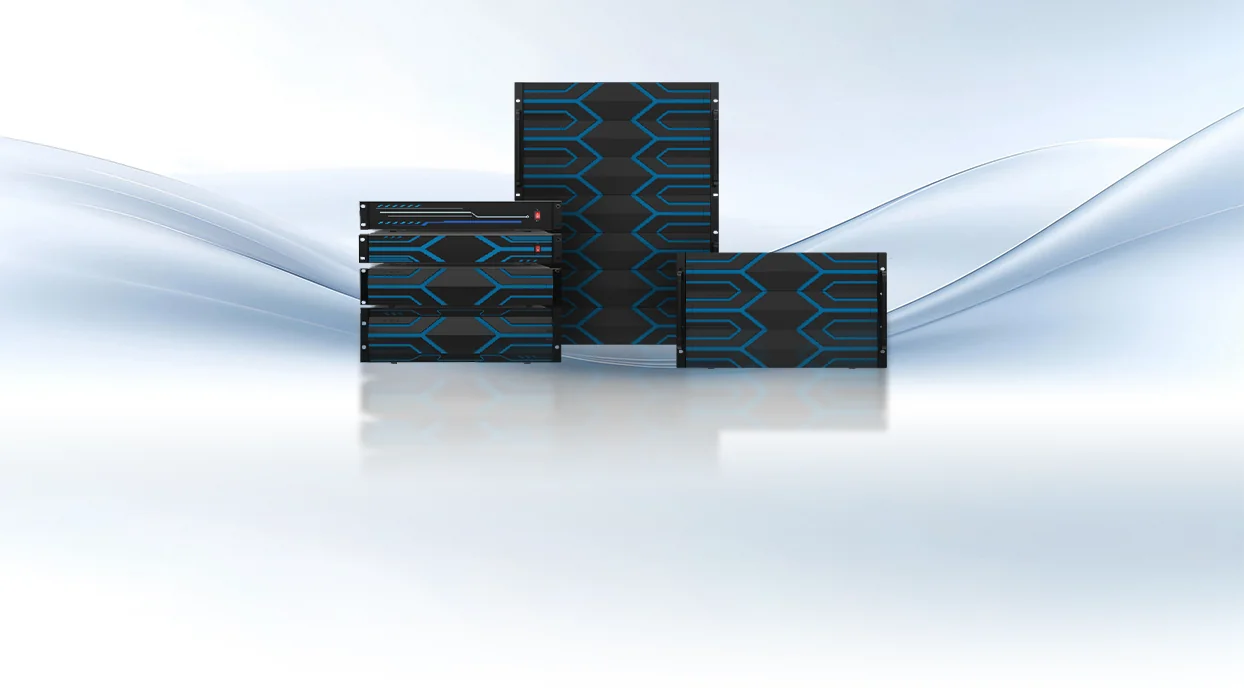
Large LED displays are becoming increasingly common in concerts, command centers, exhibitions, conference rooms, broadcast studios, and immersive visual spaces. However, creating a seamless giant image from multiple LED panels requires more than simply connecting screens together. A professional video splicing processor plays a key role in combining different signals, managing layouts, and delivering a unified visual experience.
A video splicing processor is a specialized device that receives multiple video sources, processes them, and distributes the content across multiple display sections. It allows several LED cabinets or screens to work together as one large canvas while maintaining image consistency, synchronization, and flexibility.
For large-scale visual projects, understanding how this technology works helps users select the right solution. Kystar develops professional display control equipment designed for complex LED applications, including splicing, synchronization, and large image management.
What Is a Video Splicing Processor?
The Basic Role of a Video Splicing Processor
A video splicing processor is a hardware-based video control device that combines multiple video signals and creates a complete large-format image output. Unlike a standard video processor that mainly adjusts a single signal, a splicing processor focuses on managing multiple screens, multiple inputs, and complex display arrangements.
In a typical LED wall installation, the final image is divided into several sections because one display device may not support the entire resolution or physical size. The processor receives the original content, calculates how each section should appear, and sends the correct image information to every LED module.
This process allows multiple screens to display different parts of one image without visible gaps or incorrect positioning. Professional splicing systems can also support multiple layers, window adjustments, and flexible layouts to meet creative display requirements.
Why Large LED Displays Need Splicing Technology?
Large LED displays often exceed the processing capacity of conventional display equipment. A stadium screen, stage background, or command center wall may contain millions of pixels that require accurate distribution.
A video splicing processor solves this challenge by dividing the large image into manageable sections. Each output channel controls a specific area of the LED display while maintaining synchronization between all sections.
This technology is especially important for applications where image quality and reliability are critical. If signals are not processed correctly, viewers may notice image tearing, delays, incorrect colors, or misaligned content.
How a Video Splicing Processor Builds Large Images?
Step 1: Receiving Multiple Video Sources
The first step is signal input. A professional splicing processor can receive content from different sources, including computers, cameras, media servers, broadcast equipment, and other visual systems.
Different projects require different input combinations. For example, a live event may need camera feeds and playback content simultaneously, while a command center may combine data visualization systems and monitoring signals.
Modern solutions provide various input interfaces and support high-resolution signal processing to handle increasingly demanding visual environments. Kystar’s splicing processor products include professional input and output configurations designed for applications such as command rooms, stage performances, exhibition halls, and conference spaces.
Step 2: Processing and Dividing the Image
After receiving video signals, the processor analyzes the content and determines how to distribute it across the connected displays.
For example, if a large LED wall consists of several sections, the processor divides the complete image into smaller areas. Each area is assigned to a specific output channel while preserving the original image structure.
Advanced systems can also resize, crop, scale, and position images. This allows operators to create custom layouts, such as combining a main screen with side screens or displaying multiple video windows at the same time.
Kystar’s professional splicing solutions support multi-screen and multi-layer management, allowing video sources to be moved, scaled, and arranged according to project requirements.
Step 3: Synchronizing Multiple LED Screens
Synchronization is one of the most important functions when building large images. Without accurate timing control, different sections of an LED wall may refresh at different moments, creating visible seams or motion inconsistencies.
A high-quality video splicing processor ensures that every output channel works together. This creates a continuous visual surface where moving images appear smooth across the entire display.
For professional applications such as live performances and broadcast environments, synchronization helps maintain image stability even when the content changes rapidly.
Important Features to Consider When Choosing a Video Splicing Processor
Resolution and Processing Capability
Resolution is a major factor when selecting equipment for large LED displays. As LED pixel density increases, the processor must handle more image data while maintaining clarity.
A suitable video splicing processor should support the required input resolution, output capacity, and future expansion possibilities. High-end processors can support ultra-high-definition workflows and complex multi-screen environments.
Kystar’s SEn and SHn series splicing processors are designed for large-scale applications, offering high-resolution processing, multiple output options, and advanced image management functions.
Layer Management and Creative Layout Control
Modern LED projects often require more than one full-screen image. Designers may need to display videos, graphics, text, and live signals simultaneously.
A professional processor should provide flexible layer management. Operators can adjust the position and size of different windows to create customized visual effects.
This capability is valuable for exhibitions, corporate presentations, stage productions, and immersive installations where creative layouts are essential.
Reliability for Professional Environments
Large LED displays are often used during important events where equipment failure is unacceptable. Therefore, stability and long-term operation are essential.
Professional processors usually include industrial-grade hardware designs, modular structures, and management functions that simplify maintenance.
For example, Kystar’s splicing processors use hardware-based architectures and modular designs to support demanding professional environments.
Building Seamless Large Images with the Right Technology
A video splicing processor is the core technology that transforms multiple LED screens into one unified large image. By receiving different signals, processing image data, dividing content, and synchronizing outputs, it enables smooth and flexible large-scale visual displays.
When selecting a processor, users should consider resolution support, output capacity, layout flexibility, synchronization performance, and reliability. The right solution ensures that large LED displays deliver clear, immersive, and professional visual experiences.
With advanced processing technology and solutions for creative display applications, Kystar supports organizations that need reliable control over complex LED environments. A well-designed splicing system allows large images to become more than a collection of screens—it creates a complete visual platform for communication and engagement.
