

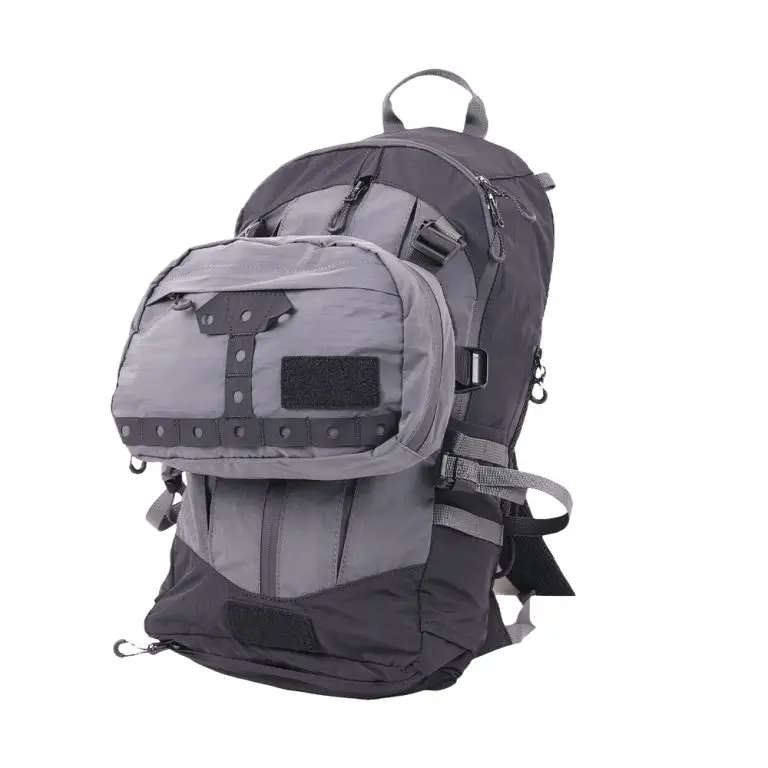
Modular backpacks are expected to do more than carry personal belongings. Their loops, attachment points, and adjustable compartments must handle repeated loading, movement, and changes in configuration. That makes reinforcement a key consideration when businesses source products for retail, outdoor, travel, or lifestyle applications. For a custom backpack manufacturer, bartack stitching offers a practical way to strengthen high-stress attachment areas while maintaining a clean and functional appearance. Understanding its role can help business buyers evaluate modular backpack construction more effectively.
Modular Loops Create Concentrated Stress
Modular loops are designed to support flexibility. Users can attach accessories, pouches, straps, or other components according to their needs. However, that flexibility also creates concentrated pulling forces around relatively small areas of fabric.
When an attached accessory becomes loaded, its weight can pull repeatedly on the loop. Walking, cycling, hiking, and other movement can increase this stress. If the loop is secured only with a basic straight stitch, the stitching may gradually loosen or the surrounding fabric may begin to deform.
For a custom backpack manufacturer, identifying these high-stress points during product development is therefore essential. Reinforcing modular loops helps the finished backpack maintain its functionality after repeated use.
How Bartack Stitching Supports Modular Backpack Durability
Bartack stitching consists of closely packed stitches placed across a specific section of fabric. Rather than relying on a single line of stitching, the technique creates a compact reinforcement zone that helps secure components exposed to pulling forces.
On a modular backpack, bartacks can be used around webbing ends, attachment loops, strap connections, and other load-bearing areas. The reinforcement helps distribute stress over a stronger section of the construction and reduces the likelihood of stitching pulling apart.
For business buyers, this detail can be particularly important because modular products often encourage users to change how the backpack is configured. Frequent attachment and removal of accessories means that loops may experience repeated tension rather than occasional loading.
Why Loop Construction Matters for a Custom Backpack Manufacturer
A modular loop is only as reliable as the complete structure surrounding it. The webbing, fabric, stitching pattern, reinforcement area, and attachment method need to work together.
A capable custom backpack manufacturer should consider the intended accessory load before selecting the construction method. Lightweight decorative loops may require a different specification from loops designed to carry heavier pouches or equipment.
The placement of bartacks also matters. Reinforcement should correspond with the direction of expected pulling forces rather than being added simply for visual appearance. Buyers reviewing samples can examine whether the stitching is neat, firmly secured, and consistently positioned across multiple loops.
The Functional Value of a Transformable Design
ChangRong’s Functional Modular Backpack for Men is built around a transformable concept, combining modular storage with a practicalism-focused design for daily use, outdoor activities, and travel. Its modular structure allows users to create different storage combinations according to their needs.
That approach makes attachment points an important part of the product’s overall functionality. A modular backpack needs construction that supports changing configurations without undermining the durability of the base bag.
The product is also designed with robust materials for daily wear and outdoor conditions. For sourcing teams, this combination of transformability and durable construction illustrates why reinforcement should be considered alongside fabric selection, compartment design, and hardware specifications.
Bartacks Help Protect Long-Term Product Performance
A backpack may pass an initial visual inspection while still containing weak attachment points. business buyers should therefore look beyond appearance when evaluating modular construction.
A useful sample review can include checking the firmness of loops, examining stitching for loose threads, and applying representative loads to attachment points. Buyers can also inspect whether the fabric bunches, stretches, or tears around reinforced areas.
For larger projects, these checks can become part of a written quality standard. A buyer may specify which loops require reinforcement, the required stitch pattern, acceptable stitching consistency, and the expected load for particular attachment points. This gives the manufacturer measurable criteria to follow during sampling and production.
Customization Goes Beyond Branding
A custom backpack manufacturer is often expected to accommodate much more than logos and color changes. For modular backpacks, customization can involve loop placement, pocket configuration, webbing width, attachment systems, reinforcement methods, materials, and dimensions.
ChangRong offers OEM and ODM services covering product development from concepts and sketches through sampling and bulk production. Its manufacturing information also highlights quality inspection throughout production, including raw materials, accessories, sewing processes, and finished products.
This type of development process gives business buyers an opportunity to discuss reinforcement requirements before finalizing a modular backpack specification. Instead of treating bartacks as a minor production detail, buyers can incorporate them into the product’s engineering requirements from the beginning.
Evaluating a Modular Backpack Before Bulk Production
Before approving a modular backpack for production, buyers should examine both function and construction. The first step is to identify which loops will carry accessories and determine the approximate loads they may encounter.
Next, samples should be inspected under realistic conditions. Accessories can be attached to different loops, compartments can be filled, and the backpack can be handled in ways that reflect its intended use. Attention should be given to whether the loops remain stable and whether reinforcement distributes tension effectively.
Consistency is equally important. If one sample has strong, clean bartacks while another shows uneven stitching, the issue may indicate a production-control problem. A reliable custom backpack manufacturer should be able to maintain the approved construction standard across bulk orders.
Strengthening the Case for Reinforced Modular Construction
Bartack stitching is a small manufacturing detail, but it can have a significant effect on modular backpack reliability. By reinforcing areas where webbing and loops experience concentrated tension, manufacturers can better support the repeated attachment, removal, and loading that modular products are designed to handle.
For business buyers, the lesson is straightforward: modular functionality should be supported by equally deliberate construction. A practical product such as ChangRong‘s Functional Modular Backpack demonstrates how transformable storage, durable materials, and practical design can work together. When reinforcement requirements are established during customization and verified during sampling, businesses can make more informed decisions about quality, durability, and long-term product performance.
Conclusion: Making Reinforcement Part of Modular Backpack Design
Bartack stitching should not be viewed as merely a decorative stitching detail. For modular backpacks, it is part of a broader construction strategy that helps attachment points withstand repeated stress. Buyers working with a custom backpack manufacturer should evaluate loop placement, webbing, fabric, stitching, and reinforcement as one system. By defining these requirements early, businesses can develop modular backpack products that better match demanding daily, travel, and outdoor applications while supporting consistent quality during bulk production.
