

Dead pixels are a common display issue that can affect image quality in digital visual systems. They usually appear as small points that no longer show the correct color or brightness. For businesses that purchase display equipment, understanding the causes can help with maintenance decisions. A reliable LED panel requires proper component selection, production control, and usage management.
When defects appear across LED panels, checking the source of the issue is important before taking repair actions. Engineers need to identify whether the problem comes from individual components, signal connections, or operating conditions. A clear inspection process can help reduce unnecessary replacements and improve maintenance efficiency.
Common Reasons Behind Dead Pixels in LED panel Systems
Dead pixels can happen because of several technical factors in an LED panel system. One common reason is damage to individual LED chips during manufacturing, transportation, or installation. Each pixel contains multiple small light-emitting components. If one component fails, the affected area may display incorrect colors or remain dark.
Another cause is electrical stress. Unstable current supply, damaged driver components, or poor connections may affect pixel performance over time. In professional applications, regular inspection of power systems and signal connections can help reduce the chance of display problems.
Manufacturing quality also plays an important role in the reliability of an LED panel. Production processes need careful control of LED placement, soldering, and module testing. Coblinks focuses on customized LED display manufacturing and pays attention to product structure, component selection, and quality management during production. Their solutions are designed for different commercial and professional display applications.
How Manufacturing Quality Affects LED panels
The manufacturing process has a direct influence on long-term display performance. LED modules need accurate assembly because thousands of tiny components work together to create images. A small production error may become visible after the screen starts operating.
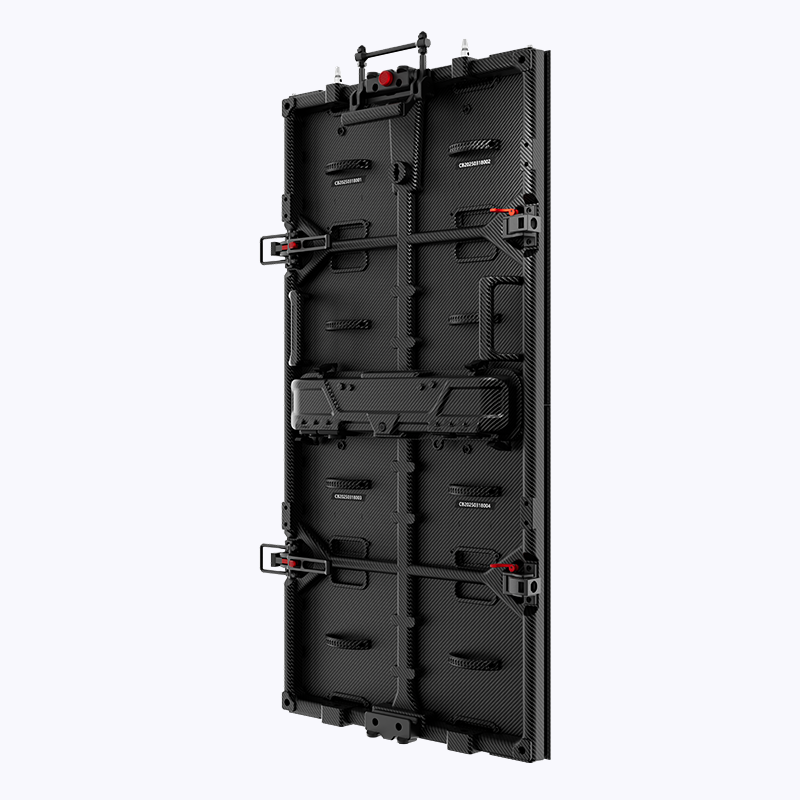
Coblinks provides customized display solutions, including the CL Series. The CL Series uses a carbon fiber cabinet design with 500×1000×45mm cabinet size options. The product supports front and rear maintenance and uses lightweight construction for applications that require easier transportation and installation.
Proper testing before delivery is also important. Manufacturers usually check brightness consistency, color performance, signal communication, and module operation. These steps help identify possible problems before products reach project sites. For companies managing commercial displays or rental inventory, stable production inspection can reduce future maintenance pressure.
Common Ways to Check and Repair Pixel Problems
When dead pixels appear, the first step is to identify whether the problem comes from the module, receiving card, power system, or control connection. Technicians often test the affected area and compare it with normal sections of the display.
For modular displays, replacing a damaged module is a common maintenance method. A well-designed LED panel allows technicians to access components more easily without removing the entire structure. This approach helps reduce repair time and keeps the display system operating normally.
Software checks can also help. Testing the signal source, controller settings, and calibration data may show whether the issue is caused by hardware or configuration. However, physical damage to LED chips usually requires module-level replacement rather than software adjustment.
Preventing Dead Pixels During Daily Use
Daily operation habits can influence display lifespan. Correct installation, suitable operating environments, and regular maintenance are useful for protecting display components. Excessive impact, incorrect power connections, or poor storage conditions may increase the risk of pixel failures.
For rental companies and system integrators, transportation management is especially important. Displays are often moved between different venues, so cabinet protection and careful handling can help avoid unnecessary damage. The CL Series from Coblinks includes a lightweight carbon fiber structure and maintenance-friendly design, supporting professional applications where frequent setup and movement are required.
Environmental conditions should also be considered. Temperature, humidity, and dust levels can influence electronic components. Choosing suitable products for indoor or outdoor environments helps maintain stable operation. Regular cleaning and inspection can also support consistent visual performance throughout the product lifecycle.
Choosing Suitable Solutions for Long-Term Display Use
Dead pixels do not always mean a complete display failure. Understanding the reasons behind the problem allows buyers and technical teams to select suitable repair methods. From component quality to maintenance design, each part of a display system affects reliability.
As a manufacturer, Coblinks works with distributors, integrators, and professional users by providing customized LED display products instead of rental services. Their product range includes solutions for stage, commercial, and fixed installation projects. For businesses that depend on stable visual systems, selecting properly designed LED panels and following suitable maintenance practices can help reduce operational concerns.
Conclusion
Preventing dead pixels requires attention from production to daily operation. Manufacturing accuracy, transportation methods, installation quality, and maintenance planning all influence display performance. With proper management, businesses can improve the service life of their display investment.
Understanding these factors helps buyers make more informed decisions when selecting display equipment. Working with an experienced manufacturer like Coblinks can provide access to customized solutions that match different project requirements. Careful selection and regular care remain important for maintaining reliable LED panels in professional environments.
