

Retail analytics procurement can look straightforward when a proposal begins with a device price. But equipment is one part of the investment. Retailers also need to account for software access, integration, installation, training, shipping, and maintenance.
Total cost of ownership (TCO) covers the cost of acquiring, operating, and maintaining a system over an agreed period.
A Cost Model With Four Layers
A practical estimate separates spending into four categories: hardware and delivery, software access, deployment and integration, and ongoing service. Some costs occur once, while others recur monthly or annually.
| Cost area | What to include | Timing to confirm |
| Hardware | People counters, cameras, recorders, accessories | Purchase and replacement cycle |
| Software | Analytics platform, licenses, users, storage where applicable | Subscription term and renewal |
| Deployment | Network setup, integration, configuration, training | Project start and change requests |
| Ongoing service | Remote assistance, updates, warranty, repairs | Annual or service-period review |
Not every project uses every category. The model makes line items visible before approval, rather than treating the device price as the complete investment.
Hardware Cost Depends on Store Design
The cost of retail analytics products depends on what a retailer wants to measure and the physical environment in which the system will operate. A deployment focused on entrance traffic may require a different device configuration from one that also includes heatmap or demographic analysis. Entrance width, ceiling height, store layout, camera placement, and existing equipment all influence the number and type of devices required.
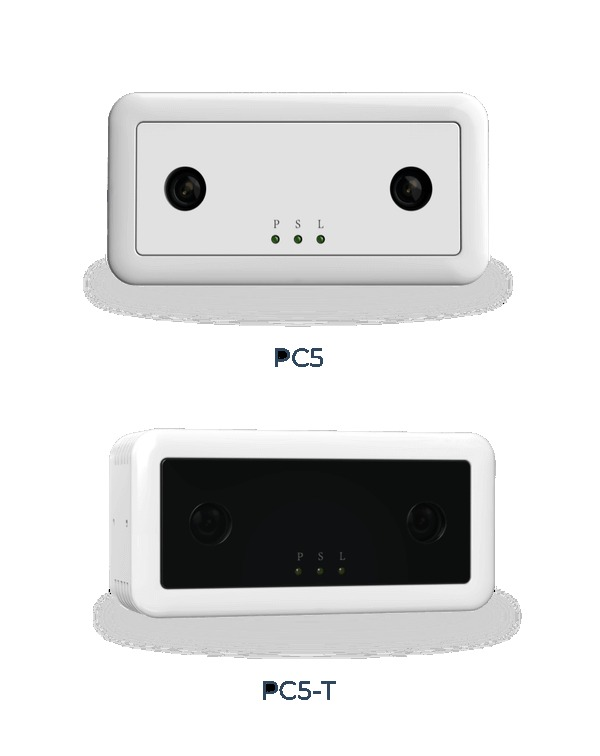
The OVOPARK range includes binocular and AI-powered people counters, analytics software, store inspection devices, and network video recorders. They provide hardware specifications but not a complete fixed-price schedule for every configuration. Request a quote based on the planned deployment.
Costs may also shift with mounting accessories, cabling, network upgrades, and requirements for retaining existing cameras or recorders. Shipping and insurance belong in the hardware budget too.
OVOPARK’s pricing information states that listed hardware prices are FOB (Free On Board) and exclude transportation fees, insurance, and service fees. Buyers should confirm the named port, applicable delivery terms, freight arrangements, insurance costs, and any additional service charges before approving the purchase.
Software Is a Separate Cost Center
Hardware captures or processes data; retail analytics software turns it into reports teams can use. The platform may provide traffic trends, demographic analysis, dwell time, heatmaps, and store KPI (Key Performance Indicator) reporting.
Confirm which functions are included and whether pricing varies by device count, locations, users, data retention, or feature modules.
The OP Analytics platform supports hourly, daily, weekly, monthly, and yearly traffic analysis. Its reporting functions also include walk-in rate, conversion rate, and multi-location store comparisons, which can help retailers assess performance across different reporting periods and locations.
Retailers should confirm subscription terms, renewal dates, trial conditions, and how future updates are handled. The published product information does not state a standard subscription rate.
Compatibility also matters when using existing hardware. OVOPARK’s pricing page says its people-counting devices are designed for its dedicated analytics software and may not work as intended on other platforms. An alternative dashboard could therefore add integration or data-quality costs; confirm compatibility before purchase.
Deployment and Integration Change the Initial Budget
Costs continue after devices arrive. A rollout may require network checks, installation guidance, configuration, integration with existing equipment, dashboard setup, and staff training. Multi-store deployments may also need a pilot and coordination with local site managers.
Ask the supplier to separate included services from chargeable work. OVOPARK‘s technical support information describes demand analysis, delivery, installation guidance, and training or help upon request.
Record the scope and fees for each item in the proposal. Sharing device models and network details early also allows the technical team to assess compatibility before finalizing the schedule.
Ongoing Support, Warranty, and Updates
The operating budget must cover ongoing support, not just hardware warranty. Clarify request handling, remote assistance scope, training inclusion, and repair/replacement logistics. For overseas stores, confirm support hours, response times, shipping responsibility for replacements, and warranty claim procedures.
The official FAQ describes remote assistance for network access and equipment or platform issues, product and operational training, and a one-year hardware warranty with an option to extend coverage. Confirm extension costs and service inclusions in writing. Also specify terms for platform updates and continued software access.
Compare Costs Over a Useful Time Horizon
A first-year budget can obscure costs that recur after launch. Estimate total spend over a consistent period, such as three years, and separate one-time expenses from monthly or annual charges. Include hardware replacement assumptions, store growth, additional analytics functions, renewal fees, and possible integration changes.
For multi-location operators, calculate both network-wide spending and cost per store. A higher initial purchase price may have a different long-term cost if existing equipment can be reused or setup is simpler. Compare actual quotations using the same store count, reporting functions, retention requirements, and support expectations.
What a Comparable Quote Should Show
Ask each provider to separate hardware, freight and insurance, software fees, integration, training, warranty, and support. The quote should identify billing periods, included locations and users, renewal terms, and assumptions about storage or replacement.
For an apples-to-apples review, use the same store count, reporting functions, retention requirements, and support expectations across proposals. Record uncertain items as ranges rather than merging them into one point estimate; later budget reviews can then trace where variances originated. Request written confirmation of exclusions, shipping terms, and chargeable changes before procurement approval.
